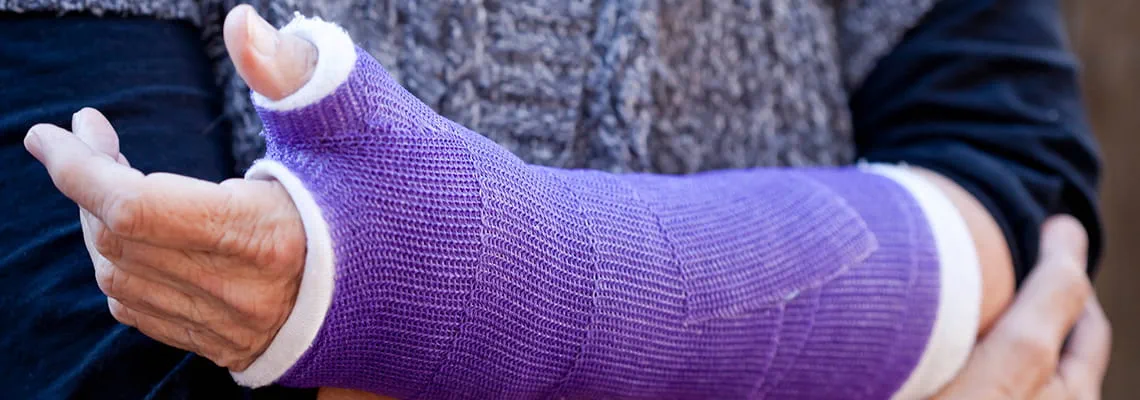
Breaking a bone can be painful, frustrating, and life-interrupting. Whether it happens from a fall, sports injury, accident, or simple misstep, one question comes to everyone’s mind:
“How can I heal this bone faster?”
While bones naturally repair themselves, there are many safe and effective ways to support and speed up recovery. Healing is not just about wearing a cast — it’s about nutrition, rest, movement, mindset, and proper care.
This article explains everything in easy, human language so anyone can understand and follow it.
Understanding How Bone Healing Works
Before trying to speed things up, it helps to know what your body is already doing.
Bone healing happens in stages:
- Inflammation (First few days)
The body sends blood and healing cells to the injury. Swelling and pain are normal. - Soft Callus Formation (1–3 weeks)
A soft bridge of tissue begins connecting the broken bone ends. - Hard Callus Formation (3–8 weeks)
That soft tissue turns into new bone. - Remodeling (Months to years)
The bone strengthens and returns to its original shape.
You cannot skip these stages, but you can support them.
1. Follow Your Doctor’s Instructions Carefully
This may sound obvious, but it is the most important step.
- Keep the cast or splint on as advised
- Avoid putting weight on the bone too early
- Attend follow-up appointments
- Take prescribed medicines properly
Removing a cast early or using the injured limb too soon can delay healing or cause permanent damage.
2. Eat Foods That Build Bone
Your body needs raw materials to rebuild bone. Think of healing as construction — without bricks and cement, nothing can be built.
Calcium — The Bone Builder
Calcium strengthens new bone tissue.
Good sources include:
- Milk, yogurt, cheese
- Leafy greens (spinach, kale)
- Almonds
- Sesame seeds
- Tofu
Vitamin D — The Calcium Helper
Without vitamin D, your body cannot absorb calcium properly.
Sources:
- Sunlight (15–20 minutes daily)
- Eggs
- Fish
- Fortified foods
Protein — The Repair Material
Bones are not just calcium; they also contain protein.
Eat:
- Eggs
- Chicken or fish
- Lentils and beans
- Nuts
- Dairy products
Vitamin C — For Tissue Healing
Vitamin C helps form collagen, which holds bone together.
Sources:
- Oranges
- Lemons
- Strawberries
- Tomatoes
- Bell peppers
Zinc and Magnesium — The Hidden Helpers
These minerals support bone strength and immune function.
Found in:
- Whole grains
- Seeds
- Nuts
- Meat
- Legumes
3. Stay Hydrated
Water plays a big role in healing.
It helps:
- Deliver nutrients to the injured area
- Remove waste products
- Maintain healthy blood flow
Drink at least 6–8 glasses of water daily unless your doctor says otherwise.
4. Get Enough Rest and Sleep
Your body repairs itself most during sleep.
Lack of sleep slows healing because:
- Growth hormone production drops
- Tissue repair decreases
- Pain tolerance lowers
Aim for 7–9 hours of quality sleep every night.
If pain makes sleeping difficult, talk to your doctor about safe pain management.
5. Avoid Smoking and Alcohol
These are major healing killers.
Smoking
Smoking reduces blood flow and oxygen delivery to the bone. It can:
- Double healing time
- Increase risk of non-healing fractures
- Cause complications
Alcohol
Excess alcohol interferes with bone formation and nutrient absorption.
If possible, avoid both completely until recovery.
6. Manage Swelling Properly
Swelling is normal, but too much can slow healing.
You can reduce it by:
- Elevating the injured limb above heart level
- Applying ice packs (if allowed)
- Keeping the cast dry and clean
- Moving nearby joints gently
Always follow your doctor’s guidance regarding ice use.
7. Do Safe Movement and Physical Therapy
Complete inactivity can weaken muscles and slow recovery.
Once your doctor allows, gentle movement helps:
- Improve blood circulation
- Maintain muscle strength
- Prevent stiffness
- Speed functional recovery
A physiotherapist can guide you through safe exercises.
Never start exercises on your own without approval.
8. Keep a Positive Mindset
Healing is not only physical — it is mental too.
Stress and anxiety can slow recovery by increasing inflammation and reducing immune function.
Helpful strategies:
- Deep breathing
- Listening to music
- Talking with loved ones
- Meditation or prayer
- Light hobbies
A calm mind supports a healing body.
9. Support Healing with Safe Supplements (If Needed)
Sometimes diet alone may not be enough.
After consulting your doctor, supplements may help:
- Calcium + Vitamin D
- Multivitamins
- Collagen supplements
- Protein powder
Never self-medicate, especially if you have other health conditions.
10. Protect the Injured Area
Even after pain decreases, the bone may still be fragile.
Be careful to:
- Avoid risky movements
- Use crutches or support devices if recommended
- Wear protective gear during recovery
- Avoid lifting heavy objects
Healing bones need time to regain full strength.
11. Maintain Good Blood Circulation
Healthy blood flow delivers oxygen and nutrients to the fracture.
Ways to improve circulation:
- Gentle movement of fingers or toes
- Light stretching of nearby muscles
- Staying warm (not overheated)
- Avoiding tight clothing around the injury
12. Watch for Warning Signs
Sometimes healing does not go as expected.
Contact your doctor if you notice:
- Severe or increasing pain
- Numbness or tingling
- Swelling that worsens
- Fever
- Bad smell or discharge from the cast
- Blue or pale skin near the injury
Early treatment prevents complications.
How Long Does Bone Healing Usually Take?
Healing time depends on age, health, and fracture type.
Typical timelines:
- Children: 3–6 weeks
- Adults: 6–12 weeks
- Complex fractures: Several months
Older adults or people with health conditions may heal more slowly.
Final Thoughts
Healing a fractured bone faster is not about magic tricks or shortcuts. It is about giving your body everything it needs to rebuild itself:
✔ Proper medical care
✔ Nutritious food
✔ Good sleep
✔ No smoking or alcohol
✔ Safe movement
✔ Positive mindset
Your body is designed to heal — you just need to support it.
FAQs About Healing a Fractured Bone Faster
1. Can a bone heal in 2 weeks?
Most adult fractures cannot fully heal in two weeks. Early healing begins, but full strength usually takes at least 6–8 weeks or more.
2. Does drinking milk really help bone healing?
Yes. Milk provides calcium, protein, and vitamin D, all of which support bone repair. However, it should be part of a balanced diet, not the only source.
3. Is it normal to feel pain weeks after a fracture?
Mild pain or discomfort is common during healing. However, severe or worsening pain should be checked by a doctor.
4. Can exercise speed up bone healing?
Gentle, doctor-approved exercises can help by improving blood flow and preventing stiffness. Heavy or unsafe exercise can delay healing.
5. What slows bone healing the most?
Major factors include:
- Smoking
- Poor nutrition
- Lack of rest
- Diabetes or other medical conditions
- Ignoring medical advice