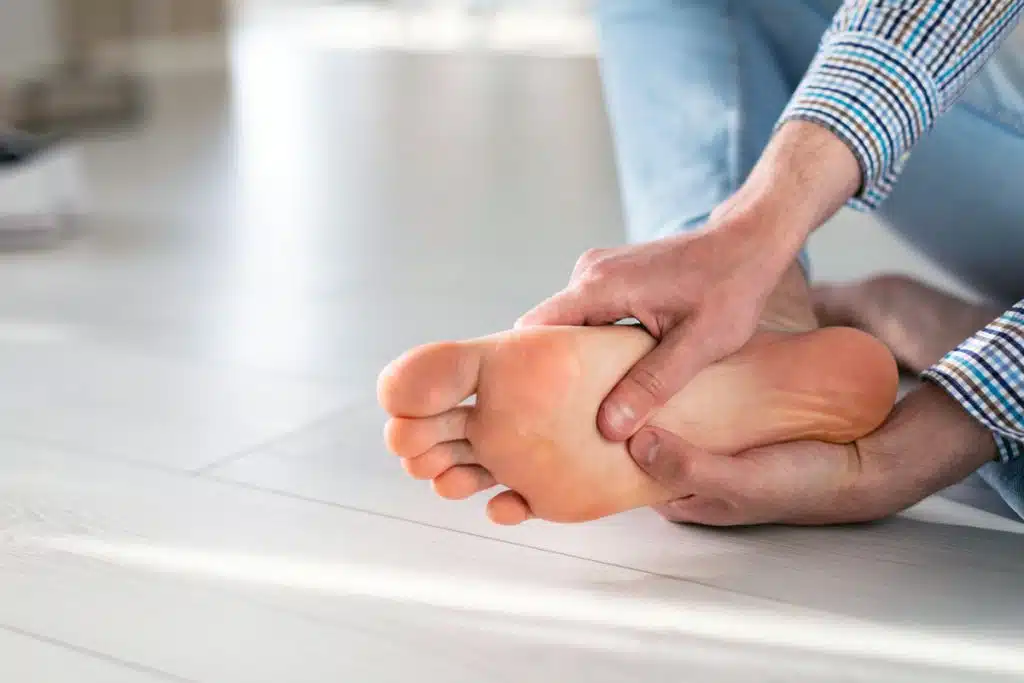
If you have ever come home after a long day and felt like your feet were on fire, aching, or throbbing, you are not alone. Many people ask, “Why do my feet hurt after standing all day?” Whether you work in a shop, hospital, factory, school, or kitchen, standing for hours can be very hard on your feet.
Your feet carry your entire body weight all day. They absorb shock, keep you balanced, and help you move. When they don’t get enough rest or support, pain is almost guaranteed.
In this article, you will learn the real reasons behind foot pain after standing, what your body is trying to tell you, and simple ways to get relief.
Your Feet Are Working Overtime
Think of your feet as the foundation of a building. If the foundation is under pressure for too long, cracks start to appear.
Each foot has:
- 26 bones
- 33 joints
- Over 100 muscles, tendons, and ligaments
Standing all day puts constant pressure on these parts. Unlike walking, where weight shifts, standing keeps pressure in one place for long periods. This reduces blood flow and strains tissues.
1. Muscle Fatigue
One of the most common reasons for foot pain is simple muscle tiredness.
When you stand for hours:
- Foot muscles stay tight
- They don’t get time to relax
- Lactic acid builds up
- Circulation slows down
This causes soreness, stiffness, and a heavy feeling in your feet.
Signs of muscle fatigue:
- Aching soles
- Tight arches
- Pain that improves after rest
- Feet feel better after soaking or massage
2. Poor Blood Circulation
Standing still for a long time makes it harder for blood to travel back up from your feet to your heart.
This can lead to:
- Swelling
- Throbbing pain
- Warm or heavy feet
- Tingling sensation
Your body relies on movement to pump blood upward. Without movement, fluid collects in your lower legs and feet.
3. Unsupportive or Wrong Shoes
Shoes matter more than most people realize.
Wearing shoes that are:
- Too flat
- Too tight
- Too loose
- Worn out
- Without cushioning
- Without arch support
…can cause serious discomfort.
Flip-flops, hard sandals, and thin soles often provide little protection from hard floors.
High heels shift weight to the front of your foot, which can cause burning pain in the ball of the foot.
4. Hard Surfaces Make It Worse
Standing on concrete, tiles, or other hard floors puts extra pressure on your feet.
Hard surfaces:
- Do not absorb shock
- Increase joint stress
- Make muscles work harder
- Can lead to long-term problems
People who work in factories, kitchens, or retail stores often experience this kind of pain.
5. Plantar Fasciitis (Arch Pain)
If your pain is sharp and located in the heel or arch, you may have plantar fasciitis.
This happens when the thick tissue under your foot becomes inflamed from overuse.
Common symptoms:
- Heel pain when standing up
- Sharp pain after rest
- Pain that improves after walking a little
- Tight arch
Standing all day can irritate this tissue and make symptoms worse.
6. Flat Feet or High Arches
Everyone’s feet are different. Some people naturally have flat feet, while others have very high arches.
Both conditions can cause problems:
Flat Feet
- Lack natural shock absorption
- Cause overpronation (foot rolling inward)
- Lead to muscle strain
High Arches
- Put pressure on heel and ball of foot
- Reduce balance
- Cause soreness quickly
Without proper support, standing becomes painful.
7. Swelling (Edema)
After hours of standing, fluid may build up in your feet and ankles.
This swelling can cause:
- Tight shoes
- Puffy feet
- Pain when walking
- Skin feeling stretched
Swelling usually improves after elevating your legs, but frequent swelling may need medical attention.
8. Nerve Pressure
Standing all day can compress nerves in the feet.
This may cause:
- Burning sensation
- Tingling
- Numbness
- Pins-and-needles feeling
People with diabetes, back issues, or poor circulation may notice this more.
9. Extra Body Weight
Carrying extra weight increases pressure on your feet. Even a small increase can make a big difference over many hours.
More weight means:
- Higher stress on joints
- Faster fatigue
- Increased risk of inflammation
- Greater chance of chronic pain
10. Not Moving Enough While Standing
Standing still is actually worse than moving around.
Small movements help:
- Improve blood flow
- Reduce muscle stiffness
- Prevent swelling
Jobs that require standing in one spot are especially tough on feet.
How to Relieve Foot Pain After Standing All Day
The good news is that simple steps can make a big difference.
✔ Rest and Elevation
Lie down and raise your feet above heart level for 15–20 minutes to reduce swelling.
✔ Soak Your Feet
Warm water relaxes muscles and improves circulation. Adding salt may help reduce soreness.
✔ Gentle Stretching
Stretching the calves and arches can relieve tension.
✔ Foot Massage
Massaging your feet improves blood flow and reduces stiffness.
✔ Use Ice for Inflammation
If your feet feel hot or swollen, cold packs can calm inflammation.
How to Prevent Foot Pain in the Future
✔ Choose Supportive Shoes
Look for:
- Cushioning
- Arch support
- Proper fit
- Shock absorption
- Low heels
✔ Use Insoles
Good insoles can transform uncomfortable shoes into supportive ones.
✔ Move Whenever Possible
Shift weight, walk briefly, or stretch every 30–60 minutes.
✔ Wear Compression Socks
These help improve circulation and reduce swelling.
✔ Maintain Healthy Weight
Less weight means less pressure on your feet.
When Should You See a Doctor?
Occasional soreness is normal, but persistent pain is not.
Seek medical help if you have:
- Severe or sharp pain
- Pain that lasts for weeks
- Numbness or loss of feeling
- Redness and warmth
- Difficulty walking
- Sudden swelling
Ignoring chronic foot pain can lead to bigger problems later.
Final Thoughts
So, why do your feet hurt after standing all day? The answer is usually a combination of muscle fatigue, pressure, poor support, reduced circulation, and overuse.
Your feet are incredible structures that carry you through life. When they hurt, it’s your body asking for care, rest, and better support.
Small changes — better shoes, movement, stretching, and rest — can dramatically reduce pain and keep your feet healthy for years to come.
Frequently Asked Questions (FAQs)
1. Is it normal for feet to hurt after standing all day?
Yes, mild soreness is common. However, strong or persistent pain is not normal and may indicate an underlying problem like poor footwear or plantar fasciitis.
2. How can I stop my feet from hurting at work?
Wear supportive shoes, use cushioned insoles, move regularly, stretch your feet, and take short sitting breaks when possible.
3. Why do my heels hurt the most after standing?
Heel pain is often caused by plantar fasciitis, lack of cushioning, or pressure from hard surfaces.
4. Do compression socks really help?
Yes. Compression socks improve blood flow, reduce swelling, and can make long standing hours more comfortable.
5. When should I worry about foot pain?
You should see a doctor if pain is severe, lasts longer than a few weeks, comes with numbness, or makes walking difficult.