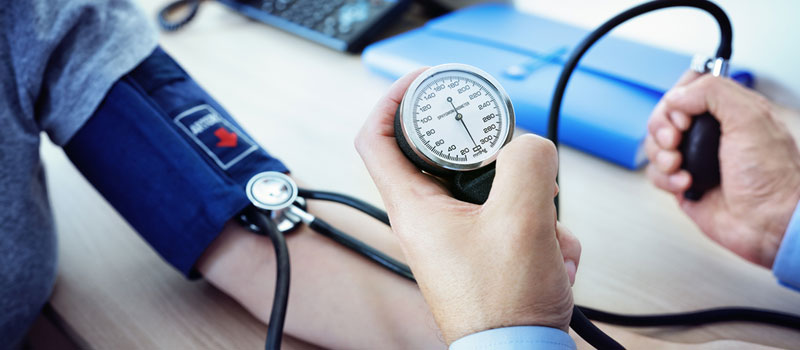
High blood pressure, also called hypertension, is a common health issue that affects millions of people worldwide. If left untreated, it can lead to serious health problems such as heart disease, stroke, kidney issues, and even vision problems. The good news is that many people can lower their blood pressure naturally without relying solely on medication. In this article, we’ll explore safe, effective, and natural ways to manage high blood pressure and improve your overall health.
Understanding Blood Pressure
Before diving into natural remedies, it’s important to understand what blood pressure really is. Blood pressure measures the force of blood pushing against the walls of your arteries as your heart pumps. It is recorded as two numbers:
- Systolic pressure: the higher number, showing the pressure when your heart beats.
- Diastolic pressure: the lower number, showing the pressure when your heart rests between beats.
A normal blood pressure reading is usually around 120/80 mmHg. Hypertension is diagnosed when your readings consistently stay at 130/80 mmHg or higher.
Natural Ways to Lower Blood Pressure
Lifestyle changes play a huge role in managing blood pressure. Here are some practical steps you can take.
1. Eat a Heart-Healthy Diet
Your diet has a major impact on blood pressure. Some foods can raise it, while others help lower it naturally. Here are some key tips:
- Reduce salt intake: Too much sodium makes your body retain water, increasing blood pressure. Limit processed foods, fast food, and canned soups.
- Eat more fruits and vegetables: Foods high in potassium, magnesium, and fiber—like bananas, spinach, sweet potatoes, and berries—help relax blood vessels.
- Choose whole grains: Brown rice, oats, and whole wheat are better than refined grains, which can spike blood sugar and pressure.
- Limit sugar and processed foods: These can contribute to weight gain and increased blood pressure over time.
A diet rich in whole foods, lean proteins, and healthy fats is often referred to as the DASH diet (Dietary Approaches to Stop Hypertension), which has been shown to lower blood pressure naturally.
2. Maintain a Healthy Weight
Carrying extra weight puts more strain on your heart and arteries, making it harder for your body to manage blood pressure. Losing even a small amount of weight—just 5-10 pounds—can make a noticeable difference. Combine a healthy diet with regular exercise to achieve gradual, sustainable weight loss.
3. Exercise Regularly
Physical activity strengthens the heart, helping it pump blood more efficiently, which lowers pressure in the arteries. You don’t have to do intense workouts—moderate exercises work wonders:
- Brisk walking: 30 minutes a day can significantly reduce blood pressure.
- Cycling: Low-impact exercise that improves heart health.
- Swimming: A full-body workout that’s gentle on joints.
- Yoga: Helps relax the body and reduce stress, which can lower blood pressure.
Consistency is key. Aim for at least 150 minutes of moderate exercise per week.
4. Reduce Stress
Stress triggers the release of hormones like cortisol and adrenaline, which temporarily increase blood pressure. Chronic stress can keep your blood pressure elevated for long periods. Here are some stress-reducing strategies:
- Meditation: Even 10-15 minutes a day can lower stress levels.
- Deep breathing exercises: Helps relax the nervous system and improve circulation.
- Spending time in nature: Walks in the park or gardening can calm the mind.
- Hobbies: Activities like painting, music, or reading can reduce stress hormones.
5. Limit Alcohol and Quit Smoking
Alcohol in excess can raise blood pressure. If you drink, limit it to 1 drink per day for women and 2 drinks per day for men. Smoking, on the other hand, damages blood vessels and increases heart disease risk, so quitting completely is crucial for healthy blood pressure.
6. Monitor Your Blood Pressure at Home
Keeping track of your blood pressure helps you see patterns and understand what lifestyle changes are working. Home blood pressure monitors are easy to use and provide accurate readings. Keep a log and share it with your doctor.
7. Get Enough Sleep
Poor sleep can contribute to hypertension. Adults should aim for 7-9 hours of quality sleep per night. Tips for better sleep include:
- Keeping a consistent sleep schedule
- Limiting screen time before bed
- Creating a calm, dark sleeping environment
- Avoiding caffeine late in the day
8. Natural Supplements and Herbs
Some natural supplements can help support healthy blood pressure, but they should never replace medical advice. Examples include:
- Garlic: May help relax blood vessels.
- Omega-3 fatty acids: Found in fish oil; reduce inflammation and improve heart health.
- Hibiscus tea: Contains compounds that can lower blood pressure slightly.
- Magnesium: Supports normal blood vessel function.
Always consult your doctor before starting any supplement, especially if you take medication.
Lifestyle Tips That Support Long-Term Health
Beyond these main strategies, small daily habits can make a big difference:
- Stay hydrated: Drink enough water to support proper circulation.
- Limit caffeine: Too much coffee or energy drinks can temporarily raise blood pressure.
- Practice mindfulness: Being mindful during meals, exercise, or relaxation can reduce stress.
- Social connections: Spending time with friends and family has a positive effect on heart health.
When to See a Doctor
Even if you follow all these natural strategies, regular check-ups are essential. Some people have high blood pressure without symptoms, which is why it’s called a “silent killer.” If your readings are consistently high, your doctor may recommend medications in addition to lifestyle changes.
FAQs About Lowering Blood Pressure Naturally
1. Can I lower blood pressure without medication?
Yes, many people can manage mild to moderate hypertension through lifestyle changes such as diet, exercise, stress reduction, and weight management. However, severe hypertension may require medical treatment.
2. How quickly can natural methods lower blood pressure?
Some changes, like reducing sodium intake or exercising regularly, may show results in a few weeks. Sustainable, long-term improvements often take 2-3 months of consistent effort.
3. Is walking enough to reduce high blood pressure?
Yes! Brisk walking 30 minutes a day is highly effective, especially when combined with other healthy lifestyle habits.
4. Can stress really affect my blood pressure?
Absolutely. Stress triggers hormone release that temporarily raises blood pressure, and chronic stress can contribute to long-term hypertension. Stress management is a key component of natural control.
5. Are natural supplements safe for everyone?
Not always. Some supplements can interact with medications or medical conditions. Always consult your healthcare provider before starting anything new.
Conclusion
Lowering blood pressure naturally is entirely possible with the right lifestyle changes. By focusing on diet, exercise, stress management, sleep, and smart habits, you can significantly reduce your risk of heart disease and other complications. These strategies are not only effective but also improve your overall health, mood, and energy.
Remember, consistency is key. Small, daily actions add up to big improvements over time. Your heart—and your future self—will thank you!