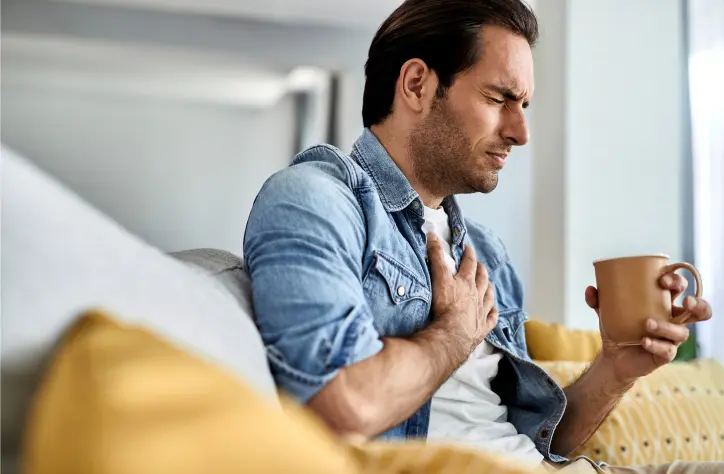
Experiencing your heart racing or feeling like it’s skipping beats after a meal can be unsettling. Many people describe it as a “fluttering” or “pounding” sensation in the chest, medically known as heart palpitations. While occasional palpitations are often harmless, they can sometimes signal underlying health concerns. Understanding the possible causes, risk factors, and ways to manage this condition can help you feel more in control of your health.
What Are Heart Palpitations?
Heart palpitations are feelings that your heart is beating too fast, too hard, or irregularly. You might notice them in your chest, throat, or neck. They can occur during physical activity, stress, or even at rest. Specifically, when they happen after eating, it can be due to a variety of triggers related to food, digestion, or underlying medical conditions.
Common Reasons for Heart Palpitations After Eating
1. Large Meals or Overeating
Eating a big meal can make your heart work harder. When you consume a lot of food at once, your body diverts more blood to the digestive system to help break down the food. This extra effort can sometimes cause your heart to beat faster than normal, resulting in palpitations.
2. High Sugar or Carbohydrate Intake
Foods high in sugar or refined carbohydrates can cause a quick spike in blood sugar levels. Your body responds by releasing insulin, which sometimes triggers the release of adrenaline, a hormone that can increase heart rate. This sudden surge may feel like palpitations.
3. Caffeine and Stimulants
Caffeine is a common trigger for palpitations. Coffee, tea, energy drinks, and even chocolate contain stimulants that can temporarily speed up your heart. Consuming them along with meals may amplify the effect, especially in people sensitive to caffeine.
4. Alcohol Consumption
Alcohol can irritate the heart and interfere with its electrical signals, leading to irregular heartbeats. Drinking alcohol during or after a meal can sometimes cause atrial fibrillation, a type of irregular heartbeat, which is often felt as palpitations.
5. Food Sensitivities or Allergies
Some people have food allergies or intolerances, such as to gluten or certain additives. These can trigger an immune response that releases chemicals affecting the heart and causing palpitations.
6. Acid Reflux or Gastroesophageal Reflux Disease (GERD)
GERD occurs when stomach acid flows back into the esophagus. This can irritate the vagus nerve, which connects the digestive system to the heart. The irritation may lead to palpitations, especially after a heavy meal.
7. Low Blood Pressure or Rapid Changes in Blood Pressure
After eating, blood flow shifts to the digestive tract. In some people, this can cause a temporary drop in blood pressure, making the heart beat faster to compensate. This reaction can feel like palpitations or a racing heart.
8. Underlying Heart Conditions
Occasionally, heart palpitations after eating can indicate an underlying heart condition, such as arrhythmias, structural heart problems, or issues with heart valves. These are less common but important to rule out, especially if palpitations are frequent, prolonged, or accompanied by dizziness, chest pain, or shortness of breath.
How Digestion Affects Your Heart
After eating, your body redirects blood to the stomach and intestines to help digest food. This process requires energy and can affect the autonomic nervous system, which controls involuntary functions like heart rate. In some people, this natural process can trigger palpitations, especially when combined with triggers like caffeine, sugar, or alcohol.
Lifestyle Factors That Increase Risk
Certain habits can make palpitations more likely after meals:
- Skipping meals: Eating large meals after long periods without food can overwhelm your digestive system.
- Eating quickly: Rapid eating can cause swallowing air, which may affect digestion and heart rhythm.
- High-stress levels: Stress hormones like adrenaline can make palpitations more noticeable.
- Smoking: Nicotine is a stimulant that increases heart rate.
- Dehydration: Low fluid levels can cause the heart to beat faster to maintain circulation.
When to See a Doctor
While many palpitations are harmless, you should seek medical attention if:
- Palpitations are frequent or prolonged
- You experience chest pain, dizziness, fainting, or shortness of breath
- You have a history of heart disease or high blood pressure
- Palpitations occur even when resting
A doctor may recommend an ECG, Holter monitor, or blood tests to determine the cause.
Ways to Reduce Heart Palpitations After Eating
1. Eat Smaller, Balanced Meals
Instead of three large meals, try eating smaller portions spread throughout the day. Include protein, fiber, and healthy fats to maintain steady blood sugar levels.
2. Limit Caffeine, Alcohol, and Stimulants
Cutting back on coffee, energy drinks, and alcohol can significantly reduce the risk of post-meal palpitations.
3. Avoid Trigger Foods
If you notice palpitations after certain foods, such as high-sugar snacks, fried foods, or foods causing acid reflux, try reducing or avoiding them.
4. Chew Slowly and Mindfully
Eating slowly aids digestion and reduces the stress on your digestive system, which can prevent your heart from racing.
5. Stay Hydrated
Drinking water before and during meals helps digestion and maintains proper blood pressure.
6. Manage Stress
Relaxation techniques like deep breathing, meditation, or light walking after meals can help calm your heart rate.
Conclusion
Heart palpitations after eating are common and usually harmless, but they can sometimes indicate underlying health issues. Overeating, high sugar intake, caffeine, alcohol, food sensitivities, or digestive conditions like GERD are frequent causes. Paying attention to your diet, lifestyle habits, and triggers can help reduce occurrences. If palpitations are persistent, severe, or accompanied by other symptoms, consulting a healthcare professional is essential to rule out serious heart conditions.
Frequently Asked Questions (FAQs)
1. Are heart palpitations after eating dangerous?
Most of the time, they are not dangerous, especially if they happen occasionally and are brief. However, frequent or severe palpitations should be evaluated by a doctor.
2. Can stress cause palpitations after meals?
Yes. Stress and anxiety can trigger adrenaline release, which may make your heart race after eating.
3. Does caffeine always cause palpitations?
Not for everyone. Some people are more sensitive to caffeine and may experience palpitations after coffee, tea, or energy drinks.
4. Can acid reflux trigger heart palpitations?
Yes. GERD can irritate the vagus nerve, leading to palpitations, especially after heavy meals.
5. How can I prevent palpitations after eating?
Eat smaller, balanced meals, limit caffeine and alcohol, avoid trigger foods, chew slowly, stay hydrated, and manage stress.