Lower back pain is one of the most common health complaints worldwide, affecting millions of people at some point in their lives. It can stem from a variety of causes—poor posture, muscle strain, sedentary lifestyle, or even underlying medical conditions. While medications and physical therapy can help, incorporating specific exercises for lower back pain recovery is often the most effective way to restore mobility, reduce pain, and prevent future injuries.
In this article, we will explore safe, practical, and easy-to-follow exercises to aid recovery. These exercises focus on strengthening muscles, improving flexibility, and supporting the spine. Remember, always consult a healthcare provider before starting a new exercise routine, especially if your pain is severe or persistent.
Understanding Lower Back Pain
Before diving into exercises, it’s important to understand what causes lower back pain. The lower back, or lumbar region, supports most of the body’s weight and allows for movements like bending, twisting, and lifting. Muscles, ligaments, discs, and joints in this area can all be sources of discomfort.
Common causes include:
- Muscle or ligament strain from sudden movements or heavy lifting.
- Poor posture during sitting or standing.
- Weak core or back muscles leading to instability.
- Herniated or degenerated discs.
- Sedentary lifestyle or lack of regular exercise.
Lower back pain can be acute (short-term) or chronic (lasting more than 12 weeks). While acute pain often resolves with rest and gentle movement, chronic pain requires a structured approach involving exercise, posture correction, and sometimes professional therapy.
Benefits of Exercises for Lower Back Pain Recovery
Exercise might seem counterintuitive if your back hurts, but gentle and targeted movements can actually accelerate healing. Benefits include:
- Strengthening Core Muscles – The core stabilizes the spine. Strong abdominal and back muscles reduce strain on the lower back.
- Improving Flexibility – Stretching tight muscles such as hamstrings, hip flexors, and glutes relieves pressure on the lumbar region.
- Enhancing Blood Flow – Movement increases circulation, delivering nutrients to damaged tissues and reducing stiffness.
- Preventing Future Injuries – Regular exercise improves posture and balance, lowering the risk of recurrent back problems.
- Pain Reduction – Strengthened muscles and increased flexibility help reduce inflammation and discomfort over time.
Warm-Up Tips
Before performing any lower back exercises, a gentle warm-up is crucial to prevent further injury. Simple movements like marching in place, shoulder rolls, or light stretches for 5–10 minutes help prepare your muscles. Avoid sudden, jerky motions, and always listen to your body.
Top Exercises for Lower Back Pain Recovery
1. Pelvic Tilts
Purpose: Strengthens the lower back and abdominal muscles.
How to do it:
- Lie on your back with knees bent and feet flat on the floor.
- Tighten your abdominal muscles and flatten your lower back against the floor.
- Hold for 5 seconds, then release.
- Repeat 10–15 times.
Tip: Avoid lifting your hips; the movement should come from tilting the pelvis.
2. Cat-Cow Stretch
Purpose: Improves flexibility and mobility of the spine.
How to do it:
- Start on hands and knees in a tabletop position.
- Inhale and arch your back, lifting your head and tailbone (cow).
- Exhale and round your back, tucking your chin to your chest (cat).
- Repeat for 10–12 cycles.
Tip: Move slowly and smoothly, focusing on breathing with each movement.
3. Knee-to-Chest Stretch
Purpose: Relieves tension in the lower back and glutes.
How to do it:
- Lie on your back with knees bent and feet flat.
- Bring one knee toward your chest, keeping the other foot on the floor.
- Hold for 20–30 seconds, then switch legs.
- Repeat 2–3 times per leg.
Tip: Keep your lower back relaxed on the floor; avoid lifting your hips.
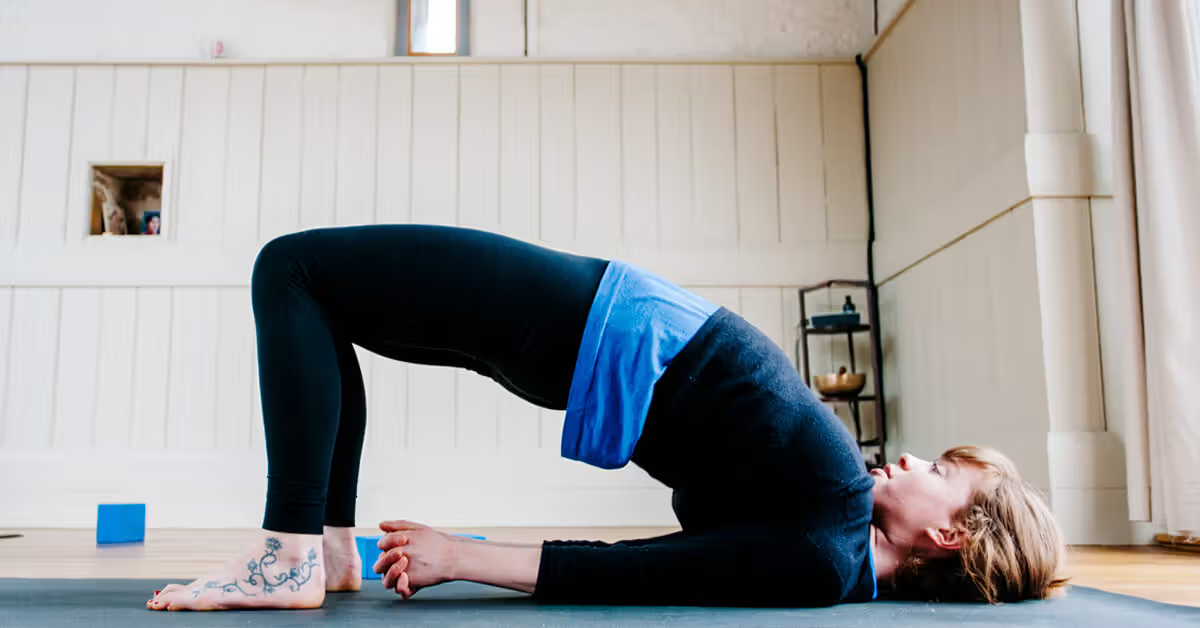
4. Bridges
Purpose: Strengthens glutes, hamstrings, and lower back muscles.
How to do it:
- Lie on your back with knees bent and feet hip-width apart.
- Press through your heels to lift your hips toward the ceiling, forming a straight line from shoulders to knees.
- Hold for 5–10 seconds, then slowly lower.
- Repeat 10–15 times.
Tip: Avoid arching your back too high; focus on controlled lifting from your glutes.
5. Bird-Dog Exercise
Purpose: Improves balance, core stability, and spinal support.
How to do it:
- Start on hands and knees in tabletop position.
- Extend your right arm forward and left leg backward simultaneously.
- Hold for 5–10 seconds, then return to starting position.
- Switch sides and repeat 10 times per side.
Tip: Keep your spine neutral and avoid sagging your back.
6. Child’s Pose
Purpose: Gently stretches the lower back and relaxes muscles.
How to do it:
- Kneel on the floor and sit back on your heels.
- Extend your arms forward on the floor and lower your chest toward the ground.
- Hold for 20–30 seconds, breathing deeply.
- Repeat 2–3 times.
Tip: If knees are uncomfortable, place a folded towel under them for support.
Lifestyle Tips for Faster Recovery
Exercises are most effective when combined with healthy lifestyle habits:
- Maintain good posture: Sit upright, avoid slouching, and use ergonomic chairs.
- Stay active: Avoid prolonged bed rest; light walking can reduce stiffness.
- Apply heat or cold: Ice packs reduce inflammation, while heat relaxes tight muscles.
- Practice core strengthening daily: Even short sessions improve spinal support over time.
- Use proper lifting techniques: Bend at the knees and keep the back straight when lifting objects.
Safety Precautions
- Avoid exercises that cause sharp or shooting pain.
- Do not force your body into uncomfortable positions.
- Start slowly and gradually increase intensity.
- Consult a doctor if you experience numbness, tingling, or pain radiating down the legs.
FAQs About Lower Back Pain Recovery Exercises
1. How often should I do these exercises?
For most people, performing these exercises 3–5 times per week is sufficient. Begin with shorter sessions and gradually increase as your strength improves.
2. Can I do these exercises if I have chronic back pain?
Yes, but it’s important to consult your doctor or a physical therapist first. They can tailor exercises to your condition and avoid movements that might worsen your pain.
3. How soon will I see results?
Results vary depending on the severity of your condition and consistency. Many people notice improvement in flexibility and reduced pain within 4–6 weeks.
4. Do I need special equipment for these exercises?
No special equipment is required. A yoga mat or soft surface is recommended for comfort during floor exercises.
5. Can these exercises prevent future back pain?
Yes, regular practice strengthens muscles, improves posture, and supports the spine, which can significantly reduce the risk of recurring lower back pain.
Conclusion
Lower back pain can be challenging, but incorporating exercises for lower back pain recovery into your routine can make a huge difference. Gentle stretches, core strengthening, and mobility exercises help alleviate discomfort, improve posture, and reduce the risk of future injuries. Consistency, patience, and listening to your body are key.
Start slowly, progress gradually, and combine exercise with healthy lifestyle habits. Over time, your lower back can become stronger, more flexible, and more resilient, allowing you to enjoy pain-free movement and an improved quality of life.