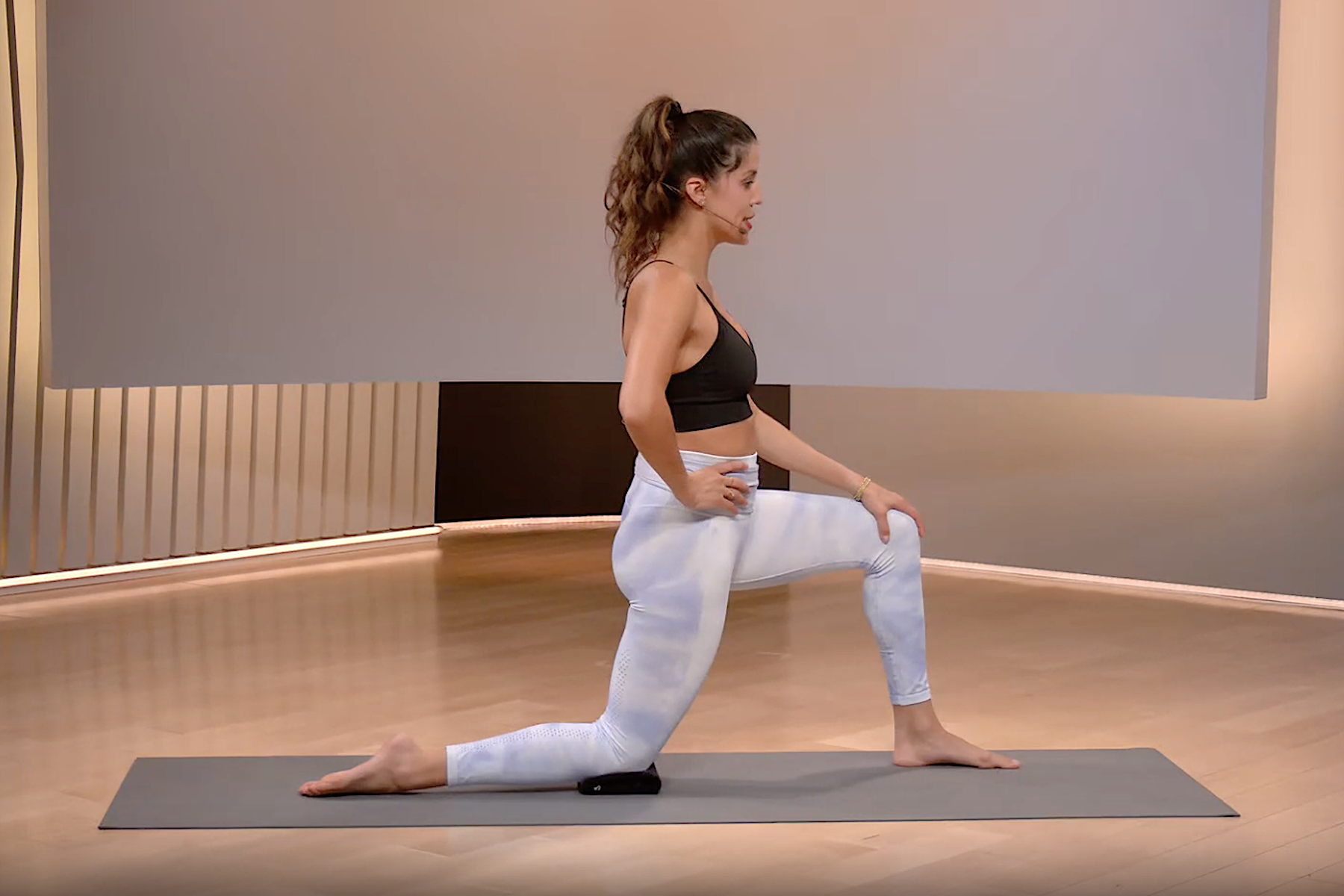
In today’s world, where many of us spend hours sitting in front of computers, scrolling on phones, or working at desks, poor posture has become a common problem. Slouching, hunching shoulders, or leaning forward for long periods can lead to back pain, neck tension, and even long-term spinal issues. That’s where posture correction exercises daily routine comes in. By dedicating a small portion of your day to simple exercises, you can strengthen your muscles, improve your alignment, and feel more confident in your posture.
This article will guide you through an easy, practical daily routine, explain why posture is important, and provide tips to make it a lasting habit.
Why Posture Matters
Good posture is not just about looking confident or tall. It directly impacts your health and well-being. Here’s why:
- Reduces Pain: Poor posture strains muscles and ligaments, leading to neck, shoulder, and back pain. Correcting your posture alleviates this tension.
- Boosts Energy Levels: Proper alignment helps your body function efficiently, reducing fatigue.
- Improves Breathing: Slouching compresses your lungs and diaphragm. Standing tall allows better oxygen flow.
- Enhances Appearance: Good posture makes you look confident, poised, and more energetic.
- Supports Joint Health: Correct alignment reduces unnecessary stress on joints, preventing long-term wear and tear.
By adopting a daily routine of posture correction exercises, you address these problems proactively.
Key Principles Before Starting
Before jumping into exercises, it’s essential to understand a few key principles:
- Consistency is Crucial: Small, daily efforts are better than occasional intense workouts.
- Listen to Your Body: Start slowly, and don’t push into pain. Mild discomfort is okay, but sharp pain is not.
- Focus on Strength and Flexibility: Posture exercises should strengthen your back, core, and shoulders while stretching tight muscles.
- Maintain Awareness: Throughout the day, check your posture. Use reminders if needed.
Daily Posture Correction Exercises Routine
Here’s a simple, 20–30 minute daily routine that anyone can do at home or in the office.
1. Chin Tucks (Neck Alignment)
Purpose: Strengthens neck muscles and corrects forward head posture.
How to Do:
- Sit or stand upright.
- Gently tuck your chin toward your chest without tilting your head down.
- Hold for 5 seconds, relax.
- Repeat 10–15 times.
Tip: Imagine your head is being pulled up by a string from the ceiling.
2. Shoulder Blade Squeezes (Upper Back Strengthening)
Purpose: Strengthens upper back and prevents rounded shoulders.
How to Do:
- Sit or stand with your back straight.
- Pull your shoulder blades together, like trying to pinch a pencil between them.
- Hold 5–10 seconds, release.
- Repeat 10–12 times.
Tip: Don’t shrug your shoulders up; keep them down and relaxed.
3. Wall Angels (Posture and Shoulder Mobility)
Purpose: Improves shoulder mobility and spinal alignment.
How to Do:
- Stand with your back against a wall, feet a few inches away.
- Place arms against the wall in a “goalpost” position.
- Slowly raise your arms overhead, keeping contact with the wall.
- Lower back down. Repeat 10 times.
Tip: Keep your lower back gently pressed to the wall to avoid arching.
4. Cat-Cow Stretch (Spinal Flexibility)
Purpose: Stretches the spine and relieves tension.
How to Do:
- Start on hands and knees.
- Arch your back upward like a cat, tucking your chin to your chest.
- Slowly lower your belly, lifting your head and tailbone (cow position).
- Repeat 10–15 cycles.
Tip: Move slowly and synchronize breathing with each motion.
5. Plank (Core Strength)
Purpose: Strengthens core muscles that support proper posture.
How to Do:
- Lie face down, lift your body onto forearms and toes.
- Keep your body in a straight line from head to heels.
- Hold 20–60 seconds depending on your strength.
- Repeat 2–3 times.
Tip: Avoid sagging hips; engage your abs and glutes.
6. Chest Stretch (Opens Tight Chest Muscles)
Purpose: Counteracts slouching and rounded shoulders.
How to Do:
- Stand in a doorway.
- Place forearms on the doorframe.
- Step forward slightly until you feel a gentle stretch in your chest.
- Hold 20–30 seconds.
Tip: Breathe deeply to enhance the stretch.
Additional Tips for Maintaining Good Posture
- Take Frequent Breaks: Stand up and stretch every 30–60 minutes if you sit long hours.
- Use Ergonomic Furniture: Adjust chairs, desks, and screens to maintain natural alignment.
- Be Mindful: Check posture throughout the day, especially when sitting or lifting objects.
- Sleep Posture Matters: Use supportive pillows and sleep positions that maintain spinal alignment.
- Stay Active: Walking, swimming, or yoga can naturally improve posture.
Sample Daily Schedule
Here’s how you can structure your posture routine:
| Time | Exercise | Duration |
|---|---|---|
| Morning | Chin Tucks + Shoulder Blade Squeezes | 5 mins |
| Midday | Wall Angels + Cat-Cow Stretch | 10 mins |
| Evening | Plank + Chest Stretch | 10 mins |
| Throughout | Mindful posture checks | Ongoing |
Even just 20–30 minutes a day consistently can create noticeable improvements in weeks.
Common Mistakes to Avoid
- Overstretching – Push gently, avoid forcing muscles.
- Holding Breath – Breathe naturally during exercises.
- Skipping Strengthening – Stretching alone won’t correct posture.
- Inconsistent Practice – Occasional exercises won’t provide long-term benefits.
- Ignoring Pain – Sharp pain may indicate incorrect form or injury.
FAQs about Posture Correction Exercises Daily Routine
1. How long before I see results?
Results vary, but with daily practice, many notice improved posture and reduced discomfort in 3–6 weeks.
2. Can these exercises be done at work?
Yes! Exercises like chin tucks, shoulder squeezes, and wall angels can be done at your desk.
3. Do I need equipment?
Most exercises require no equipment. A yoga mat or sturdy wall is helpful but optional.
4. Can poor posture be completely fixed?
While posture can significantly improve with exercise, long-standing spinal conditions may require professional guidance.
5. Is it too late to start if I’m older?
Absolutely not. People of all ages benefit from posture exercises, although intensity should be adjusted based on ability.
Conclusion
A posture correction exercises daily routine is a simple yet powerful way to improve health, reduce pain, and boost confidence. By combining stretches, strength exercises, and mindful awareness, you can retrain your body to maintain proper alignment. Start small, be consistent, and gradually incorporate these exercises into your daily life—you’ll notice better posture, increased energy, and even improved mood over time.