As we age, our health needs evolve, and one of the critical areas that require attention is brain and nervous system health. Seniors are particularly susceptible to neurological disorders such as dementia, Parkinson’s disease, stroke, and neuropathy. Accessing specialized care from a neurologist can be expensive, which often creates a barrier for many elderly individuals. This is where affordable neurology clinics for seniors come into play. These clinics focus on providing high-quality neurological care at costs that are manageable for older adults, often including insurance assistance, sliding fee scales, or community support programs.
In this article, we’ll explore what makes a neurology clinic affordable, what services seniors can expect, tips for choosing the right clinic, and practical ways to ensure consistent neurological care without financial strain.
Why Neurological Care is Important for Seniors
Neurological care is essential for seniors because the risk of developing conditions related to the brain and nervous system increases with age. Some common issues include:
- Memory Loss and Dementia: Cognitive decline can significantly impact quality of life.
- Stroke and Transient Ischemic Attacks (TIA): Timely evaluation and rehabilitation can prevent long-term complications.
- Parkinson’s Disease: Early diagnosis can improve mobility and independence.
- Peripheral Neuropathy: Managing pain and mobility issues can reduce fall risks.
- Seizure Disorders: Proper treatment is critical for safety and daily functioning.
Seniors who receive regular neurological evaluations can maintain a higher quality of life, enjoy greater independence, and detect potential issues before they become severe.
What Makes a Neurology Clinic “Affordable”?
Affordability doesn’t necessarily mean lower quality. An affordable neurology clinic offers specialized services with consideration for the financial challenges seniors often face. Some key features include:
- Sliding Scale Fees: Clinics may adjust fees based on income or financial status, making services accessible to seniors with limited income.
- Insurance Assistance: Many clinics accept Medicare, Medicaid, and private insurance, helping seniors cover the cost of consultations, tests, and treatments.
- Community Programs: Some neurology clinics partner with nonprofit organizations to provide free or low-cost neurological screenings and follow-ups.
- Preventive Care Packages: Clinics may offer packages that bundle evaluations, lab tests, and follow-ups at reduced prices.
- Telemedicine Options: Virtual appointments can lower transportation costs and save time, while still providing expert neurological care.
By combining these approaches, clinics ensure seniors don’t have to choose between financial stability and essential neurological treatment.
Services Offered at Affordable Neurology Clinics for Seniors
Affordable neurology clinics are not just budget-friendly—they also provide comprehensive care tailored for older adults. Common services include:
- Neurological Evaluations: Assessing cognitive function, motor skills, reflexes, and neurological health.
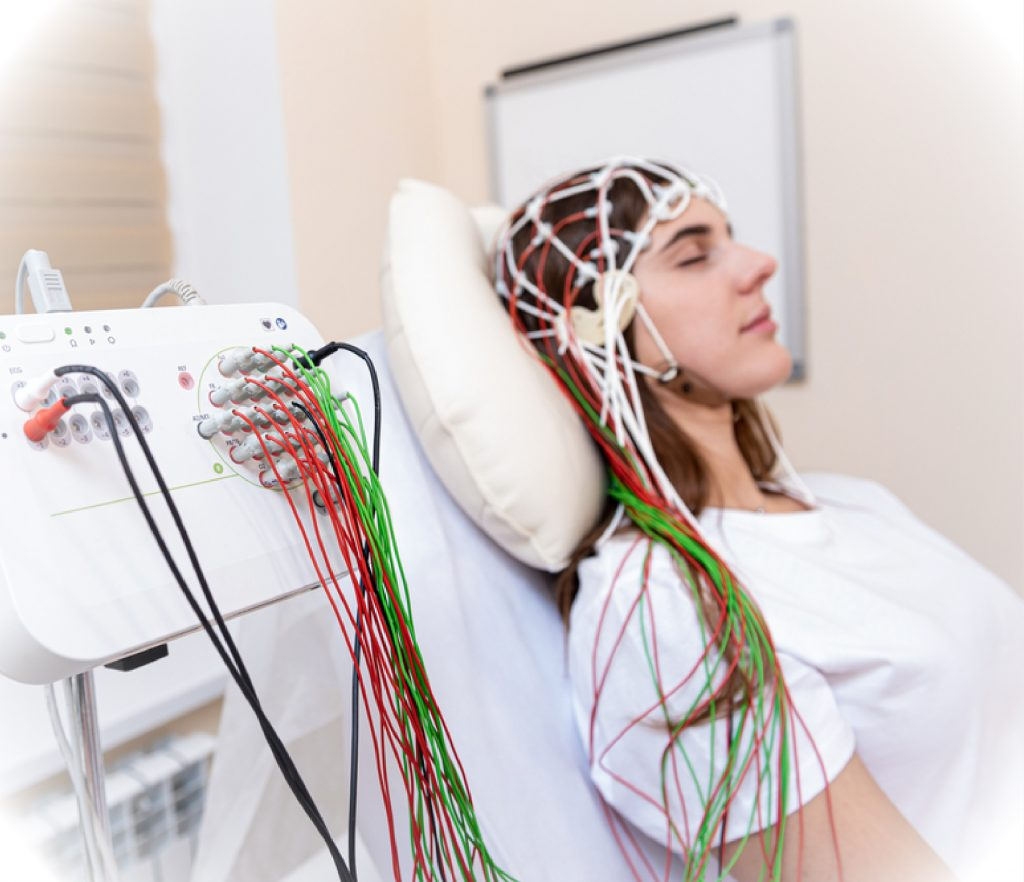
- Diagnostic Testing: MRI, CT scans, EEGs, and nerve conduction studies to identify underlying conditions.
- Chronic Condition Management: Monitoring conditions like Parkinson’s, epilepsy, and multiple sclerosis.
- Memory Clinics: Specialized programs to assess and manage dementia or Alzheimer’s disease.
- Physical and Occupational Therapy: Support for mobility, balance, and daily activities affected by neurological disorders.
- Counseling and Education: Helping seniors and caregivers understand neurological conditions, treatment plans, and lifestyle adjustments.
Many clinics also coordinate with primary care physicians, geriatric specialists, and mental health professionals to provide a holistic approach to senior care.
Tips for Choosing the Right Neurology Clinic for Seniors
Selecting the right clinic is crucial for both health outcomes and financial comfort. Here are some practical tips:
- Check Qualifications: Ensure neurologists are board-certified and experienced in senior care.
- Compare Costs: Look for clinics that offer transparent pricing and multiple payment options.
- Read Reviews: Patient testimonials can give insight into the quality of care and staff friendliness.
- Accessibility: The clinic should be easy to reach, with transportation options or telemedicine services.
- Comprehensive Services: Choose a clinic that offers diagnostic, therapeutic, and support services under one roof.
- Insurance Compatibility: Confirm that the clinic accepts your insurance or offers alternative payment solutions.
Taking the time to research ensures seniors receive high-quality care without unnecessary financial strain.
How Seniors Can Maintain Neurological Health Between Visits
Affordable neurology clinics often provide guidance on lifestyle and preventive measures. Seniors can maintain their neurological health through:
- Balanced Diet: Foods rich in omega-3 fatty acids, antioxidants, and vitamins support brain health.
- Regular Exercise: Walking, swimming, yoga, or light resistance training improves blood flow and mobility.
- Mental Stimulation: Reading, puzzles, learning new skills, and social engagement help preserve cognitive function.
- Proper Sleep: Maintaining a regular sleep schedule supports neurological recovery and memory.
- Medication Management: Following prescribed medications and communicating side effects with your neurologist.
Combining professional care with daily health practices can significantly enhance seniors’ neurological well-being.
Advantages of Affordable Neurology Clinics for Seniors
- Cost Savings: Seniors can access essential neurological care without financial burden.
- Timely Care: Affordable clinics often provide faster appointments and follow-ups.
- Specialized Senior Programs: Clinics tailor treatments for age-specific conditions.
- Supportive Environment: Staff are trained to communicate effectively with older adults.
- Community Engagement: Clinics may offer educational workshops and support groups for patients and caregivers.
These advantages ensure seniors get the care they need while minimizing stress and cost.
Challenges Seniors Might Face
Even with affordable clinics, seniors may encounter some challenges:
- Transportation Issues: Traveling to appointments may be difficult without family support.
- Complex Insurance Coverage: Navigating Medicare and other insurance plans can be confusing.
- Limited Availability: Not all regions have affordable neurology clinics with specialized senior care.
- Long-Term Management: Chronic neurological conditions require ongoing care and commitment.
Planning ahead and using telemedicine or community support programs can help overcome these obstacles.
Conclusion
Affordable neurology clinics for seniors play a vital role in maintaining neurological health while respecting financial limitations. By offering accessible, specialized, and comprehensive care, these clinics help seniors live healthier, more independent lives. Understanding the services available, researching clinics carefully, and maintaining good daily habits can make neurological care manageable and effective.
Prioritizing brain and nervous system health doesn’t have to be expensive—it just requires knowledge, planning, and the right resources.
Frequently Asked Questions (FAQs)
1. What is considered an affordable neurology clinic for seniors?
An affordable neurology clinic offers neurological services with lower fees, sliding scale payment options, insurance support, or community programs to help seniors access care without excessive financial burden.
2. Can Medicare cover neurology visits for seniors?
Yes, Medicare often covers medically necessary neurological evaluations, diagnostic tests, and treatment, but coverage may vary depending on your specific plan and the services provided.
3. How often should seniors visit a neurologist?
Frequency depends on the condition. Routine check-ups may be annual, while chronic conditions like Parkinson’s or epilepsy may require follow-ups every few months or as recommended by the neurologist.
4. Are telemedicine appointments available for seniors?
Many affordable neurology clinics offer telemedicine options. These virtual appointments reduce transportation needs and allow seniors to consult specialists from home.
5. What lifestyle changes can help maintain neurological health?
Eating a balanced diet, exercising regularly, staying mentally active, getting sufficient sleep, and managing medications effectively are key lifestyle practices that support brain and nerve health.