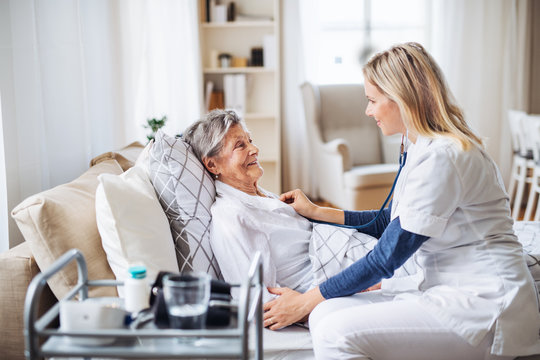
As people age, their physical and mental needs change. Ensuring that older adults receive proper care is vital for their well-being. Elderly healthcare and support services are designed to meet these unique needs, helping seniors live healthier, safer, and more comfortable lives. In this article, we’ll explore what these services include, why they are important, and how families can access them.
Understanding Elderly Healthcare
Elderly healthcare focuses on the medical needs of older adults. Unlike general healthcare, it addresses the physical, emotional, and mental challenges that often come with aging. Common health issues in older adults include:
- Chronic illnesses like diabetes, heart disease, and arthritis
- Memory loss, including dementia and Alzheimer’s
- Mobility problems and risk of falls
- Hearing and vision difficulties
- Mental health issues like depression and anxiety
Providing healthcare for the elderly requires specialized knowledge and attention. Doctors, nurses, and caregivers working in this field are trained to manage these conditions, ensuring seniors maintain the best quality of life possible.
Types of Elderly Healthcare Services
There are many services available to meet the diverse needs of older adults. Here are some of the most common:
1. Primary Medical Care
This is regular health check-ups and treatment for common illnesses. Routine monitoring of blood pressure, cholesterol, and other vital signs helps prevent serious health issues.
2. Home Healthcare
Home healthcare provides medical services at a senior’s home. Skilled nurses or therapists visit to assist with medications, wound care, physical therapy, and more. This is particularly helpful for seniors with mobility problems.
3. Assisted Living and Nursing Homes
For those who need daily help, assisted living facilities offer meals, housekeeping, and personal care. Nursing homes provide more intensive care for those with serious medical conditions.
4. Mental Health Services
Aging can bring feelings of loneliness, anxiety, and depression. Mental health professionals can provide counseling, therapy, or medication management to help seniors cope emotionally.
5. Rehabilitation Services
After surgery or illness, rehabilitation services like physical therapy, occupational therapy, or speech therapy help seniors regain independence and improve mobility.
6. Palliative and Hospice Care
For seniors with serious illnesses, palliative care focuses on relieving pain and improving comfort. Hospice care is specialized support for those nearing the end of life, helping both patients and families.
Support Services Beyond Medical Care
Healthcare is not just about doctors and hospitals. Seniors also need social, emotional, and practical support. Support services help improve quality of life and maintain independence. Some examples include:
- Meal delivery services: Programs like Meals on Wheels ensure seniors get nutritious meals.
- Transportation services: Many seniors cannot drive; transportation support helps them attend medical appointments and social events.
- Social programs: Senior centers, clubs, or community activities prevent loneliness and encourage social interaction.
- Caregiver support: Families often provide care, and support groups or respite services can help reduce burnout.
- Technology assistance: Many elderly people benefit from training in using smartphones, health monitoring devices, or telemedicine apps.
Why Elderly Healthcare and Support Services Are Important
As people age, they may face challenges that make independent living difficult. Elderly healthcare and support services are crucial because they:
- Promote Health and Longevity: Regular medical care prevents complications and helps seniors live longer, healthier lives.
- Enhance Independence: Support services allow seniors to remain in their own homes for as long as possible.
- Reduce Stress for Families: Professional help relieves family caregivers, providing peace of mind.
- Improve Mental Well-being: Social programs and mental health support reduce loneliness and depression.
- Ensure Safety: From fall prevention to medication management, these services reduce risks associated with aging.
How to Access Elderly Healthcare and Support Services
Finding the right services can seem overwhelming, but there are several ways to access help:
- Consult a Primary Doctor: Your family doctor can recommend specialists, therapists, or home care services.
- Government Programs: Many countries offer healthcare assistance, insurance, or community programs for seniors.
- Private Agencies: Numerous agencies provide in-home care, transportation, and nursing services for a fee.
- Nonprofit Organizations: Organizations often provide free or low-cost meals, social programs, and caregiver support.
- Online Directories: Searching online for local elderly care services helps identify options nearby.
When choosing services, it is important to consider the senior’s health condition, budget, and personal preferences.
Tips for Families Supporting Elderly Loved Ones
Caring for aging family members can be challenging, but there are practical ways to make it easier:
- Stay Involved: Regularly communicate with healthcare providers and caregivers.
- Create a Safe Home Environment: Remove hazards, add handrails, and ensure adequate lighting.
- Encourage Independence: Allow seniors to do what they can themselves, while offering help when needed.
- Monitor Mental Health: Keep an eye on signs of depression, anxiety, or isolation.
- Plan for the Future: Discuss long-term care, finances, and legal matters early.
Challenges in Elderly Healthcare
Despite the availability of services, there are challenges:
- Cost: Healthcare and long-term care can be expensive, sometimes creating financial stress.
- Limited Availability: In some areas, access to specialized care or caregivers may be limited.
- Coordination of Care: Seniors often need multiple services, and coordinating them can be complicated.
- Resistance to Care: Some seniors may be reluctant to accept help, requiring patience and gentle encouragement.
The Future of Elderly Care
As the global population ages, the demand for elderly healthcare and support services will continue to grow. Innovations like telemedicine, wearable health monitors, and smart home technology are making care more accessible and personalized. Community-based programs and government policies are also evolving to provide better support for seniors and their families.
Conclusion
Elderly healthcare and support services are essential for ensuring seniors live safe, healthy, and fulfilling lives. From medical care to social programs and home support, these services help seniors maintain independence, improve well-being, and reduce the burden on families. Early planning, awareness of available resources, and regular communication with healthcare providers can make a significant difference in the lives of older adults.
By prioritizing elderly care, society can honor its seniors, helping them age with dignity, comfort, and joy.
FAQs About Elderly Healthcare and Support Services
1. What is the difference between elderly healthcare and support services?
Elderly healthcare refers to medical care, such as doctor visits, therapy, and medications. Support services include non-medical help like meals, transportation, social programs, and caregiver assistance.
2. Can elderly care be provided at home?
Yes, home healthcare and support services are available. Nurses, therapists, and caregivers can visit regularly to provide medical care, daily assistance, and companionship.
3. How do I choose the right care facility for my loved one?
Consider the senior’s health needs, the level of care provided, location, staff qualifications, cost, and the facility’s reputation. Visiting in person and reading reviews can help make an informed choice.
4. Are there government programs that help seniors with healthcare?
Yes, many countries provide programs such as Medicare, Medicaid, or local senior assistance initiatives to help cover healthcare costs and support services.
5. How can families support seniors’ mental health?
Encourage social interaction, engage in hobbies, provide emotional support, and seek counseling if needed. Activities, clubs, and community programs can help reduce loneliness and depression.