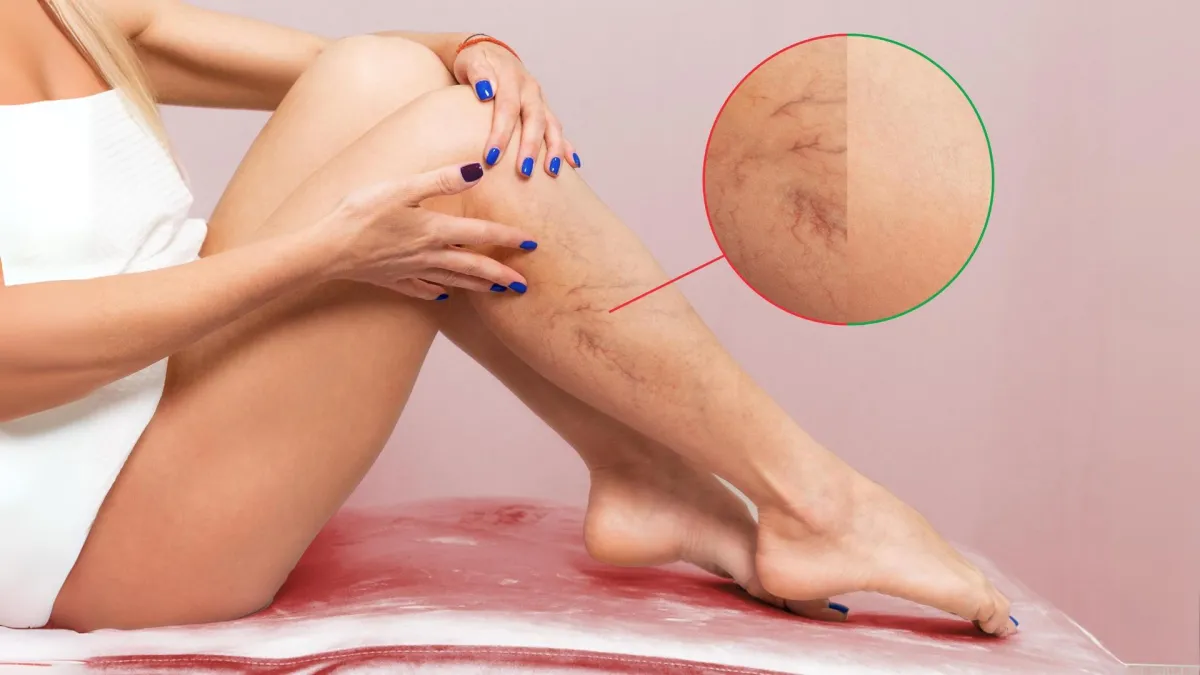
Varicose veins are swollen blood vessels that bulge and may cause pain. Weak valves inside these vessels cause the condition, and blood pools in the legs as a result. Age and family history act as common risk factors. While the condition brings discomfort, patients can manage the symptoms and improve their circulation with some management techniques.
Understanding Varicose Veins
When valves in the circulatory system fail to function properly, varicose veins appear. Blood flows toward the heart, and healthy valves stop it from flowing backward. When these valves weaken, blood pools in the veins of the lower body. This pooling stretches the walls of the vessels. The veins become distorted and even painful.
Several factors contribute to the development of varicose veins, including:
- Genetics: A family history of varicose veins increases your likelihood of developing them.
- Hormonal Changes: Events such as pregnancy alter hormone levels and increase the risk.
- Lifestyle: A sedentary lifestyle or prolonged periods of standing put extra strain on the vascular system.
Understanding these factors can help in managing the condition and its symptoms. There are actions and habits that improve your circulation and ease your symptoms.
Improving Blood Flow
Compression stockings provide relief for many patients, and these garments gently squeeze the legs. The steady pressure helps blood move more efficiently toward the heart. Since the stockings compress the veins, patients experience less aching throughout the day.
Physical activity provides another excellent way to boost circulation. When you walk or do calf raises, your calf muscles pump blood upward more actively. It is possible to perform exercises like calf raises while sitting down, and ankle raises can be done while lying prone. Regular exercise prevents blood from pooling in the lower extremities and has many other health benefits as well.
Adopting Healthy Habits
Daily routines play a part in vascular health, and small changes can yield results. Because your body needs proper support, doctors recommend several lifestyle adjustments to alleviate daily discomfort:
- Drink plenty of water to maintain healthy blood volume.
- Maintain a healthy weight to reduce pressure on your lower body.
- Avoid long periods of sitting or standing to keep circulation active.
- Quit smoking to protect the structure of your blood vessels.
You can seek a vein evaluation at your cardiologist’s office to determine any problem areas or necessary treatments.
Exploring Medical Treatments
When conservative lifestyle adjustments fail to achieve the desired results, your doctor may recommend advanced medical procedures, such as injectable foams or sealants to close off a damaged vessel. During these procedures, the body automatically reroutes blood to healthier pathways. Another advanced method is radiofrequency ablation, which uses heat energy to seal the affected vein and provide long-lasting relief. The results of these treatments are permanent, but new problematic veins may develop over time.
Get Help for Varicose Veins
Swollen veins can cause discomfort and pain, but patients have multiple ways to find relief. Compression garments and healthy habits offer a starting point for managing symptoms. Advanced medical procedures resolve weakened and painful veins. If you want to learn more about treatments or management methods for varicose veins, consult a cardiologist near you.
- Managing Symptoms of Varicose Veins Effectively
- Primary Care Doctor for Chronic Disease Management: Why They Matter
- Elderly Healthcare and Support Services: A Complete Guide
- Understanding the Role of a Primary Care Doctor for Referrals to Specialists
- Understanding a Psychiatrist Specializing in Bipolar Disorder