Cataracts are a common eye condition that affects millions of people around the world. While often associated with aging, cataracts can occur at any age, sometimes due to medical conditions, trauma, or prolonged exposure to sunlight. Understanding the symptoms and knowing the available treatment options, especially surgical procedures, is essential for maintaining good vision and quality of life.
What Is a Cataract?
A cataract occurs when the lens of the eye becomes cloudy. The lens is normally clear and helps focus light on the retina, allowing us to see clearly. When it becomes cloudy, light struggles to pass through, leading to blurry vision. Over time, this cloudiness can worsen, making daily activities such as reading, driving, or recognizing faces more difficult.
While cataracts develop gradually, they are not painful. Early detection and treatment are crucial to prevent vision loss.
Common Symptoms of Cataracts
Recognizing cataract symptoms early can help you seek timely treatment. Common signs include:
- Blurry Vision – One of the first signs is a general blurring or dimming of vision. It may feel like looking through a foggy window.
- Difficulty Seeing at Night – Cataracts can make it hard to see in low-light conditions, causing challenges when driving or walking in the dark.
- Sensitivity to Light – Bright lights may become uncomfortable, causing glare or halos around lights, especially at night.
- Fading or Yellowing of Colors – Colors may appear less vibrant or slightly yellowed due to changes in the lens.
- Double Vision in One Eye – Some people notice double or multiple images in a single eye, which can worsen over time.
- Frequent Prescription Changes – A rapid need to change eyeglass prescriptions may indicate developing cataracts.
- Difficulty Reading Small Print – Straining to read, even with glasses, is another common symptom.
It’s important to note that cataract symptoms vary depending on the type of cataract and its severity. Regular eye exams are essential, especially for people over 60 or those with risk factors like diabetes, smoking, or prolonged UV exposure.
Causes and Risk Factors
Several factors can contribute to cataract development:
- Aging: Most cataracts develop slowly as part of the natural aging process.
- Medical Conditions: Diabetes, hypertension, and obesity increase cataract risk.
- Medications: Long-term use of steroids or certain medications can trigger cataracts.
- Eye Injuries or Surgery: Trauma or previous eye surgery may lead to secondary cataracts.
- Genetics: Family history can make cataracts more likely.
- Lifestyle Factors: Smoking, alcohol use, and excessive sun exposure can accelerate cataract formation.
Diagnosis of Cataracts
A comprehensive eye exam is the standard way to detect cataracts. Eye specialists use several tests:
- Visual Acuity Test: Measures how well you can see at various distances.
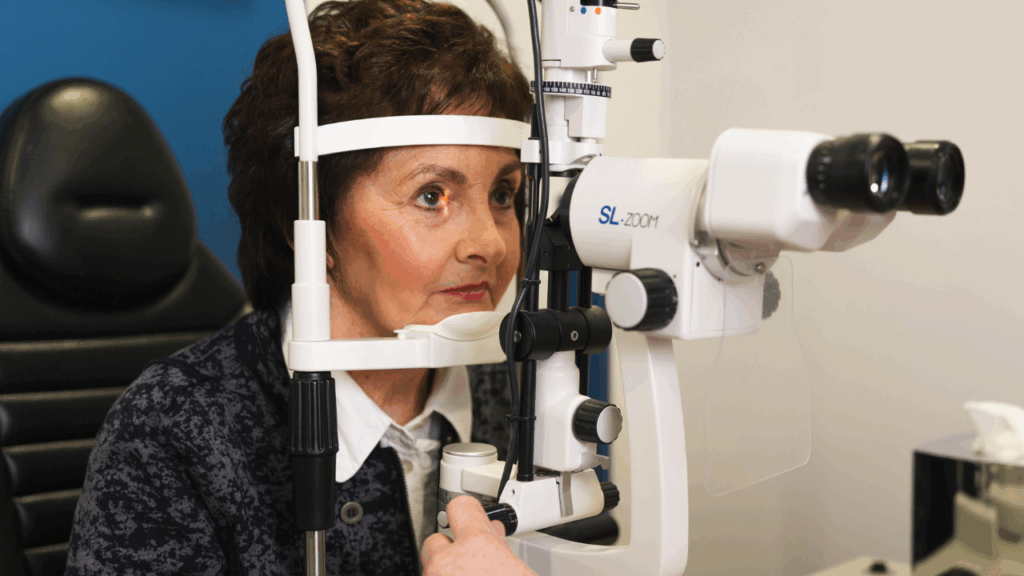
- Slit-Lamp Examination: Provides a magnified view of the eye to detect lens cloudiness.
- Retinal Exam: Uses eye drops to dilate the pupils and examine the retina and lens.
- Tonometry: Measures eye pressure to rule out glaucoma, which can coexist with cataracts.
Early diagnosis allows timely intervention and reduces the risk of complications.
Treatment Options for Cataracts
Cataract treatment depends on severity and its impact on daily life. In the early stages, vision may be managed with:
- Updated Eyeglass Prescription: Adjusting lenses can temporarily improve vision.
- Brighter Lighting: Helps with reading and other tasks.
- Magnifying Lenses: Useful for close-up work.
However, as cataracts progress, surgery becomes the only effective treatment to restore clear vision.
Cataract Surgery
Cataract surgery is a common, safe, and effective procedure. It involves removing the cloudy lens and replacing it with an artificial lens called an intraocular lens (IOL). There are several options available:
- Phacoemulsification (Phaco)
- Most common type of cataract surgery.
- Uses ultrasound waves to break the lens into tiny pieces, which are then removed.
- The IOL is inserted through a small incision, usually without stitches.
- Recovery is typically quick, often within a few days.
- Extracapsular Cataract Extraction (ECCE)
- A slightly older method where the lens is removed in one piece.
- Requires a larger incision and stitches.
- Used for very advanced cataracts or when phacoemulsification isn’t suitable.
- Laser-Assisted Cataract Surgery
- Uses a laser instead of a blade to make precise incisions and soften the lens.
- May improve accuracy and reduce recovery time.
- Often recommended for patients with certain eye conditions.
Types of Intraocular Lenses (IOLs)
Patients have choices when it comes to IOLs:
- Monofocal IOLs: Provide clear vision at one distance, usually far, with reading glasses still needed.
- Multifocal IOLs: Allow vision at near, intermediate, and far distances, reducing dependence on glasses.
- Toric IOLs: Correct astigmatism along with cataracts.
Preparing for Cataract Surgery
Before surgery, patients undergo a thorough eye examination to measure the eye’s size and shape for proper IOL selection. Patients are also advised to:
- Avoid certain medications that can increase bleeding risk.
- Arrange transportation, as driving immediately after surgery is not recommended.
- Follow the ophthalmologist’s preoperative instructions carefully.
Recovery After Cataract Surgery
Recovery is generally smooth, but it’s important to follow instructions:
- Use prescribed eye drops to prevent infection and reduce inflammation.
- Avoid rubbing the eye or engaging in strenuous activity for a few weeks.
- Vision may fluctuate initially, but improvement is usually noticeable within a few days.
Most people regain excellent vision, and serious complications are rare.
Preventing Cataracts
While aging cannot be stopped, certain lifestyle choices can slow cataract development:
- Wear sunglasses with UV protection.
- Maintain a healthy diet rich in antioxidants (fruits and vegetables).
- Avoid smoking and limit alcohol consumption.
- Manage medical conditions like diabetes and high blood pressure.
- Have regular eye check-ups, especially after age 50.
When to See an Eye Doctor
See an eye specialist if you notice:
- Blurry vision that affects daily activities.
- Trouble seeing at night.
- Glare or halos around lights.
- Sudden changes in vision or double vision.
Early consultation allows timely intervention, which can preserve vision and improve quality of life.
Frequently Asked Questions (FAQs)
1. Can cataracts go away on their own?
No, cataracts do not improve naturally. They typically worsen over time, and surgery is the only effective treatment once vision is significantly affected.
2. Is cataract surgery painful?
Most patients experience little to no pain. Local anesthesia numbs the eye, and modern techniques make the procedure quick and safe.
3. How long does it take to recover from cataract surgery?
Initial recovery usually takes a few days, but complete healing may take a few weeks. Most patients notice improved vision almost immediately.
4. Can I have cataract surgery in both eyes at the same time?
While some surgeons perform surgery on both eyes simultaneously, it is more common to operate on one eye at a time to reduce risks and monitor healing.
5. Are there risks associated with cataract surgery?
Cataract surgery is generally safe, but like all surgeries, it carries minor risks such as infection, bleeding, or retinal detachment. Serious complications are rare.
Conclusion
Cataracts are a natural part of aging, but with modern treatments, they do not have to mean permanent vision loss. Recognizing the symptoms early, consulting an eye specialist, and exploring surgical options can restore clear vision and improve quality of life. Whether you choose traditional surgery, laser-assisted procedures, or a specific type of intraocular lens, the key is timely intervention. With proper care, most patients enjoy excellent vision for years after surgery.