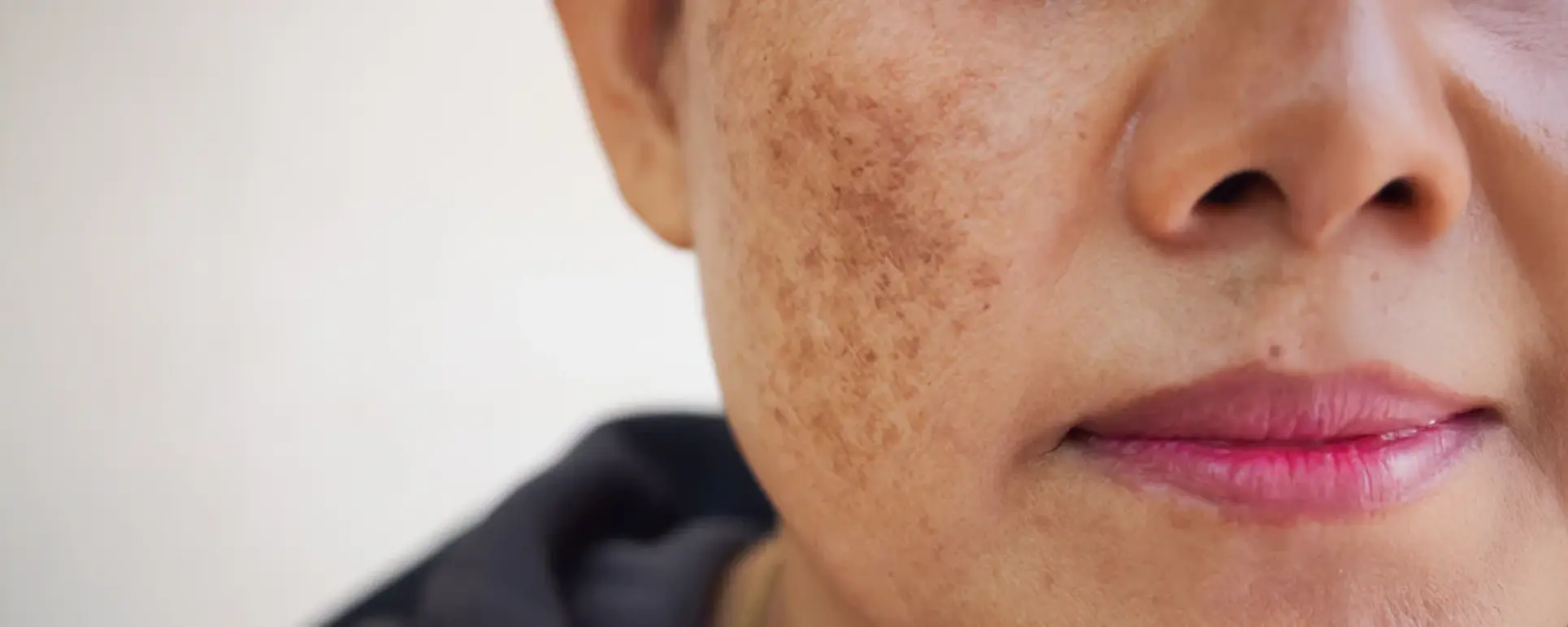
Dark spots on the skin can be frustrating. They may appear suddenly after acne, sun exposure, cuts, burns, or hormonal changes. Many people feel less confident because of them, but the good news is that dark spots are usually harmless and can fade with the right care. The most important thing is to remove them safely without damaging your skin.
In this article, you will learn what dark spots are, why they happen, and the safest ways to reduce them at home and with medical treatments. Everything is explained in easy, human language so anyone can understand and follow.
What Are Dark Spots?
Dark spots are flat patches on the skin that look darker than the surrounding area. They can be light brown, dark brown, or even black depending on your skin tone. These spots happen when your skin produces too much melanin — the pigment that gives color to your skin.
Dark spots are also called:
- Hyperpigmentation
- Sun spots
- Age spots
- Post-acne marks
- Melasma
They can appear on the face, hands, neck, shoulders, back, or anywhere exposed to sunlight.
Common Causes of Dark Spots
Understanding the cause helps you choose the safest treatment.
1. Sun Exposure
The sun is the biggest cause. Ultraviolet (UV) rays trigger melanin production, leading to sun spots over time.
2. Acne and Pimples
After a pimple heals, it often leaves a dark mark behind, especially if you pick or squeeze it.
3. Hormonal Changes
Pregnancy, birth control pills, or hormonal imbalance can cause melasma — large dark patches on the face.
4. Skin Injuries
Cuts, burns, insect bites, or rashes can leave marks after healing.
5. Aging
As we age, our skin becomes more sensitive to sun damage, leading to age spots.
Why Safety Matters
Many people try harsh creams, strong scrubs, or home remedies without knowing their skin type. This can make dark spots worse or cause burns, redness, and permanent damage.
Safe treatment means:
- Gentle care
- Consistent routine
- Sun protection
- Patience
Remember: There is no overnight miracle.
Safe Home Remedies for Dark Spots
Natural remedies are gentle and suitable for most skin types. They take time but are less risky.
1. Aloe Vera
Aloe vera is soothing and helps skin repair itself.
How to use:
- Apply fresh aloe gel directly to the spot
- Leave it overnight
- Wash in the morning
Use daily for best results.
2. Lemon and Honey (Use Carefully)
Lemon contains vitamin C, which can brighten skin, but it can irritate sensitive skin.
Safe method:
- Mix a few drops of lemon juice with honey
- Apply for 5–10 minutes only
- Wash off and moisturize
Avoid sunlight after using lemon.
3. Turmeric Paste
Turmeric has anti-inflammatory and brightening properties.
How to use:
- Mix turmeric powder with milk or yogurt
- Apply to dark areas
- Leave for 15 minutes
- Rinse gently
Use 2–3 times per week.
4. Potato Juice
Potatoes contain mild natural bleaching enzymes.
- Rub a fresh potato slice on the spot
- Leave juice on skin for 10 minutes
- Wash off
Very gentle for daily use.
5. Green Tea Extract
Green tea helps reduce pigmentation and inflammation.
- Dip a green tea bag in warm water
- Cool it
- Place on dark spots for 5 minutes
Safe Skincare Ingredients That Work
If you prefer products, look for these gentle ingredients.
Vitamin C
- Brightens skin
- Reduces melanin production
- Protects from sun damage
Use in the morning with sunscreen.
Niacinamide (Vitamin B3)
- Evens skin tone
- Reduces redness
- Strengthens skin barrier
Suitable for sensitive skin.
Azelaic Acid
- Good for acne marks
- Reduces inflammation
- Safe for most skin types
Alpha Arbutin
- Slows pigment production
- Works gradually without irritation
Mild Chemical Exfoliants (AHAs)
These remove dead skin cells so new skin can appear.
- Lactic acid (gentle)
- Glycolic acid (stronger)
Use only 1–2 times per week.
The Most Important Step: Sunscreen
No treatment will work if you skip sunscreen.
Sun exposure makes spots darker and causes new ones.
Use sunscreen every day:
- SPF 30 or higher
- Apply in the morning
- Reapply every 2–3 hours if outdoors
Even cloudy days can damage skin.
Medical Treatments for Faster Results
If home methods don’t help, a skin specialist can suggest treatments.
1. Prescription Creams
Doctors may prescribe creams containing stronger ingredients that lighten pigmentation safely under supervision.
2. Chemical Peels
A controlled solution removes the top layer of skin, revealing fresh skin underneath.
Benefits:
- Smooth skin
- Even tone
- Reduced spots
Must be done by professionals.
3. Laser Treatment
Laser targets pigment directly and breaks it down.
Best for stubborn spots but can be expensive.
4. Microdermabrasion
A gentle procedure that exfoliates the skin surface.
Helps with mild pigmentation.
Daily Habits to Prevent Dark Spots
Prevention is easier than treatment.
Protect Your Skin from the Sun
Wear:
- Hats
- Sunglasses
- Protective clothing
Do Not Pick Pimples
Picking causes scars and dark marks.
Keep Skin Moisturized
Healthy skin heals faster and reduces marks.
Eat Skin-Friendly Foods
Include:
- Fruits rich in vitamin C
- Leafy greens
- Nuts and seeds
- Plenty of water
Manage Stress and Sleep Well
Poor sleep and stress affect skin healing and hormones.
How Long Does It Take to See Results?
Dark spots fade slowly.
- Mild spots: 4–8 weeks
- Moderate spots: 3–6 months
- Deep pigmentation: up to a year
Consistency is key.
Mistakes to Avoid
❌ Using harsh scrubs daily
❌ Trying too many products at once
❌ Skipping sunscreen
❌ Using unknown bleaching creams
❌ Expecting overnight results
When to See a Doctor
Consult a professional if:
- Spots change shape or color
- They grow quickly
- Home treatments don’t work
- You feel burning or severe irritation
Final Thoughts
Removing dark spots safely requires patience, gentle care, and protection from the sun. Natural remedies, good skincare products, and healthy habits can gradually restore your skin’s natural glow. Avoid harsh treatments and focus on consistency rather than quick fixes.
Your skin heals best when treated kindly.
Frequently Asked Questions (FAQs)
1. Can dark spots disappear completely?
Yes, many dark spots fade over time, especially with proper care and sun protection. Deep spots may take longer or need professional treatment.
2. Is it safe to use lemon on dark spots daily?
No. Lemon can irritate skin and make it sensitive to sunlight. Use it carefully and not every day.
3. Which is better: natural remedies or skincare products?
Both can work. Natural remedies are gentler but slower, while products with proven ingredients may show results faster.
4. Do dark spots come back after treatment?
They can return if the skin is exposed to sun or the underlying cause remains. Sunscreen helps prevent recurrence.
5. Can men and women both get dark spots?
Yes. Dark spots affect all genders and skin types.