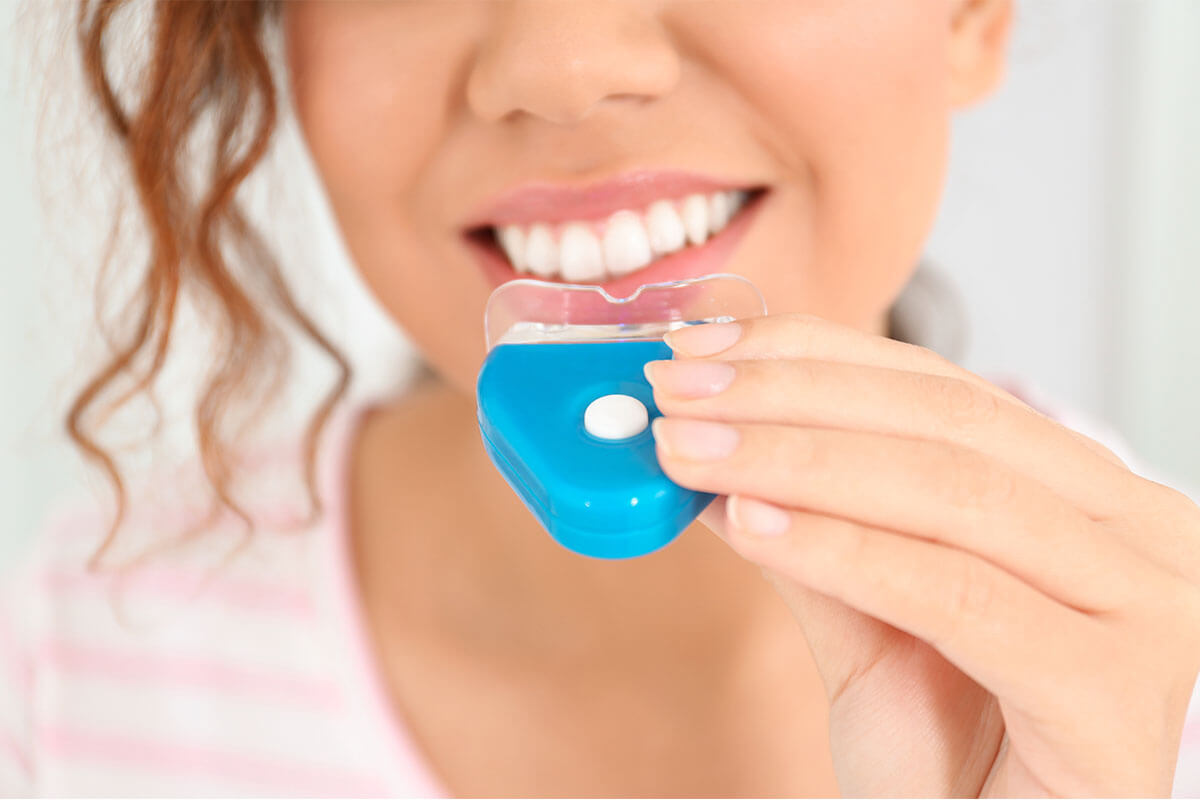
A bright, white smile can make a huge difference in how you feel and how others perceive you. But with so many products and methods out there, it’s easy to get overwhelmed or even risk harming your teeth. The good news is that you can safely whiten your teeth at home without expensive dental procedures if you follow the right techniques and precautions. In this article, we’ll explore safe methods, practical tips, and common mistakes to avoid.
Why Teeth Become Stained
Before diving into whitening methods, it helps to understand why teeth lose their natural whiteness. Teeth can become stained from:
- Food and drinks: Coffee, tea, red wine, and certain fruits like berries can leave stains on enamel.
- Tobacco use: Smoking or chewing tobacco causes yellow or brown discoloration.
- Aging: As you age, enamel thins and exposes the naturally yellow dentin underneath.
- Medications: Certain antibiotics, antihistamines, or high blood pressure medications can darken teeth.
- Poor oral hygiene: Plaque and tartar buildup can make teeth look dull.
Knowing the cause of your tooth discoloration helps you choose the safest and most effective whitening method.
Safe Methods to Whiten Teeth at Home
1. Brushing and Flossing Regularly
This may seem obvious, but good oral hygiene is the foundation of a bright smile. Brushing at least twice a day and flossing once a day helps prevent stains from settling. Use a soft-bristled toothbrush and fluoride toothpaste to avoid enamel damage.
Tip: Brush gently in circular motions rather than scrubbing harshly, which can wear down enamel and expose dentin, making teeth look yellower over time.
2. Whitening Toothpaste
Whitening toothpastes contain mild abrasives or chemical agents that help remove surface stains. They don’t change the natural color of your teeth but can make them appear brighter over time.
- Pros: Easy to use, inexpensive, generally safe.
- Cons: Only effective on surface stains, results take weeks.
Look for toothpastes approved by dental associations to ensure safety.
3. Baking Soda
Baking soda is a natural, gentle abrasive that can help remove surface stains. Mix a small amount of baking soda with water to form a paste and brush your teeth once or twice a week.
Caution: Overuse can erode enamel, so limit use to 2–3 times per week. Always rinse thoroughly afterward.
4. Hydrogen Peroxide
Hydrogen peroxide is a mild bleaching agent used in many whitening products. You can create a diluted rinse (1–2%) to swish for 30–60 seconds before brushing.
- Pros: Helps whiten teeth over time, kills bacteria.
- Cons: Too strong or frequent use can irritate gums or damage enamel.
Important: Never swallow hydrogen peroxide and avoid using it at high concentrations at home.
5. Oil Pulling
Oil pulling involves swishing natural oils, like coconut oil, in your mouth for 10–15 minutes. While not a traditional whitening method, it can remove plaque and reduce bacteria, which helps teeth appear cleaner and brighter.
Note: Oil pulling is safe but works gradually, so it’s best used alongside regular brushing.
6. Avoiding Stain-Causing Habits
The safest way to maintain whitened teeth is to prevent new stains:
- Limit coffee, tea, and red wine.
- Quit smoking or using tobacco products.
- Drink water after meals to wash away food particles.
- Use a straw for beverages that stain teeth.
Prevention is just as important as whitening.
7. At-Home Whitening Kits
Over-the-counter whitening kits, strips, or gels often contain safe concentrations of peroxide. Follow the instructions carefully:
- Use as directed, usually 10–14 days.
- Avoid overuse, which can cause sensitivity.
- Stop immediately if gums become irritated.
These kits provide noticeable results without needing a dentist, but they are less potent than professional treatments.
Tips for Maintaining a White Smile
- Regular dental checkups: Cleanings remove tartar and deep stains that home methods can’t touch.
- Eat crunchy fruits and vegetables: Apples, carrots, and celery naturally scrub teeth.
- Rinse after acidic foods: Acidic foods and drinks can weaken enamel and make teeth more prone to staining.
- Use a soft-bristled toothbrush: Hard bristles can damage enamel over time.
- Stay hydrated: Saliva helps neutralize acids and prevent staining.
Common Mistakes to Avoid
- Overusing whitening products: More is not better. Overuse can lead to enamel erosion and sensitivity.
- Ignoring dental issues: Cavities or gum disease should be treated first; whitening won’t fix underlying problems.
- Using harsh abrasives: Lemon juice, charcoal powder, and other DIY remedies can damage enamel.
5 FAQs About Whitening Teeth Safely at Home
1. Can I whiten teeth naturally without chemicals?
Yes. Methods like baking soda, oil pulling, and proper brushing can help remove surface stains. However, natural methods usually work slower than chemical whitening.
2. How long does it take to see results?
Results vary depending on the method and level of staining. Toothpaste and natural remedies may take 2–6 weeks, while OTC whitening kits may show results in 1–2 weeks.
3. Is it safe to whiten teeth every day?
No. Daily use of strong whitening agents can cause sensitivity and enamel damage. Stick to recommended frequencies and mild methods.
4. Can anyone whiten their teeth at home?
Most people can safely whiten teeth at home. However, pregnant or breastfeeding women, children under 12, and people with severe dental issues should consult a dentist first.
5. How long do the results last?
Whitening results vary. With good oral hygiene and avoiding stain-causing foods, results can last 6 months to a year. Touch-ups may be needed over time.
Final Thoughts
Whitening your teeth at home can be safe, affordable, and effective if done correctly. The key is to focus on prevention, gentle methods, and consistency. Avoid harsh DIY tricks and overuse of whitening chemicals, and always pay attention to your oral health. With the right routine, you can achieve a brighter, confident smile without leaving your home—or risking your enamel.