Night blindness, medically known as nyctalopia, is a condition where a person struggles to see in low-light or dim environments. Imagine walking into a dark room or driving at night and suddenly finding it hard to navigate—that’s what someone with night blindness experiences. While it may seem minor initially, it can impact safety, daily life, and overall eye health. Understanding the causes and treatment options is essential to prevent complications and maintain vision.
Understanding Night Blindness
Night blindness doesn’t mean total blindness in darkness; rather, it refers to reduced vision in dim light. People with this condition often find it challenging to drive at night, move through poorly lit areas, or adjust to sudden changes in lighting. The problem usually stems from the retina, the light-sensitive tissue at the back of the eye, or the optic nerve that transmits visual information to the brain.
The retina has two types of photoreceptors: rods and cones. Rods are responsible for vision in low light, while cones detect color and detail in bright light. Night blindness occurs when the rods are impaired or not functioning properly.
Causes of Night Blindness
Night blindness can arise from various causes, ranging from nutritional deficiencies to eye diseases. Here are the main contributors:
1. Vitamin A Deficiency
Vitamin A is vital for the production of rhodopsin, a pigment in the retina that helps you see in low light. A lack of this nutrient can reduce rhodopsin levels, making it hard for the eyes to adjust to darkness. Vitamin A deficiency is more common in developing countries where diet may lack vegetables, dairy, and fish rich in this vitamin.
2. Cataracts
Cataracts occur when the eye’s lens becomes cloudy, scattering light and reducing night vision. People with cataracts often notice glare or halos around lights at night. Cataracts usually develop with age, making older adults more susceptible to night blindness.
3. Myopia (Nearsightedness)
Severe myopia can cause difficulties seeing in dim light. The eye focuses light incorrectly, which reduces clarity in low-light conditions. Even with corrective lenses, some individuals may still struggle to see clearly at night.
4. Retinitis Pigmentosa
This is a genetic disorder that damages the retina’s photoreceptor cells over time. Night blindness is often an early symptom, followed by peripheral vision loss. Retinitis pigmentosa is progressive, meaning symptoms worsen gradually.
5. Glaucoma and Medications
Glaucoma increases pressure inside the eye, damaging the optic nerve. Some medications used to treat glaucoma or other conditions can also affect night vision.
6. Diabetes and Eye Complications
Diabetes can cause diabetic retinopathy, where high blood sugar damages blood vessels in the retina. This can reduce night vision and overall visual sharpness.
Symptoms of Night Blindness
Identifying night blindness early is important. Common symptoms include:
- Difficulty seeing in dimly lit areas or at night.
- Trouble driving at night, with increased glare from headlights.
- Slow adjustment to darkness after being in bright light.
- Reduced peripheral vision in low-light conditions.
- Eye discomfort or headaches after prolonged night activity.
If you experience these symptoms, consulting an eye specialist is crucial to determine the underlying cause.
Diagnosis
Diagnosing night blindness involves a combination of medical history, eye examination, and sometimes specialized tests:
- Visual Acuity Test – Measures how well you see at different distances.
- Retinal Exam – Uses an ophthalmoscope to check the retina for abnormalities.
- Electroretinography (ERG) – Measures the electrical response of the retina to light, especially helpful for conditions like retinitis pigmentosa.
- Nutritional Assessment – Checks for deficiencies such as Vitamin A.
Early diagnosis is key to preventing worsening vision and identifying treatable causes.
Treatment Options
Treatment for night blindness depends on the underlying cause. Here’s a breakdown of common approaches:
1. Vitamin A Supplementation
If night blindness is due to vitamin A deficiency, supplementation through diet or medicine is effective. Foods rich in Vitamin A include:
- Carrots
- Sweet potatoes
- Spinach and other leafy greens
- Eggs and dairy products
- Fish like salmon and tuna
Vitamin A supplements should be taken under medical supervision because excessive intake can be harmful.
2. Corrective Lenses
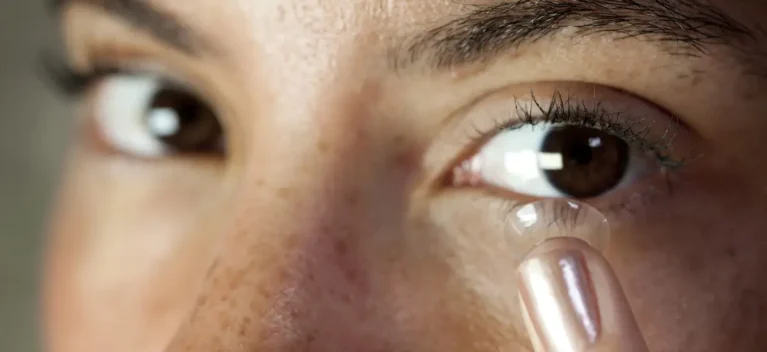
For people with myopia or other refractive errors, wearing glasses or contact lenses can improve night vision. Specialized lenses with anti-reflective coating can reduce glare from headlights and streetlights.
3. Cataract Surgery
If cataracts are causing night blindness, surgery to remove the cloudy lens can restore vision. Cataract surgery is safe and highly effective, often resulting in immediate improvement in night vision.
4. Treatment for Retinal or Genetic Disorders
While some conditions like retinitis pigmentosa currently have no cure, management options include:
- Low-vision aids
- Vitamin A palmitate (under medical supervision)
- Protective eyewear to prevent further damage
- Regular eye monitoring to detect complications early
5. Managing Diabetes and Glaucoma
Proper management of diabetes, blood sugar levels, and glaucoma can prevent further retinal damage and improve night vision. Regular eye check-ups are essential for early intervention.
Lifestyle Tips for Night Blindness
While medical treatment is vital, certain lifestyle changes can help improve night vision:
- Increase Lighting – Use bright lights indoors and night lights in hallways.
- Reduce Glare – Avoid looking directly at headlights while driving and consider anti-glare glasses.
- Eye Protection – Wear sunglasses during the day to protect eyes from UV rays.
- Healthy Diet – Ensure adequate intake of vitamins A, C, and E, plus omega-3 fatty acids.
- Regular Eye Exams – Early detection of eye conditions can prevent night blindness from worsening.
When to See a Doctor
Night blindness may seem harmless initially, but it can indicate serious underlying conditions. Consult an eye doctor if you:
- Struggle to see at night or in dimly lit environments.
- Experience worsening vision or glare around lights.
- Have a family history of retinal diseases.
- Notice other vision changes like tunnel vision or color perception issues.
FAQs About Night Blindness
1. Can night blindness be reversed?
Yes, if caused by treatable factors like vitamin A deficiency or cataracts. Genetic conditions may not be reversible but can be managed.
2. Is night blindness dangerous?
It can be, especially while driving or navigating dark areas. Prompt diagnosis and management reduce risks.
3. Can children have night blindness?
Yes, children can develop night blindness due to nutritional deficiencies, congenital eye disorders, or retinal conditions.
4. Are there supplements for night blindness?
Vitamin A supplements can help if deficiency is the cause. Always consult a doctor before taking high doses.
5. Does aging cause night blindness?
Aging can contribute through cataracts, decreased rod function, or other eye conditions. Regular eye exams can help manage these risks.
Conclusion
Night blindness is more than just a nuisance; it can impact safety, independence, and quality of life. Understanding its causes—from vitamin deficiencies to eye diseases—is the first step in effective management. With proper medical treatment, lifestyle adjustments, and dietary care, many people can improve night vision and maintain healthy eyesight. Regular eye check-ups and attention to early symptoms ensure that night blindness doesn’t compromise daily activities or long-term eye health.