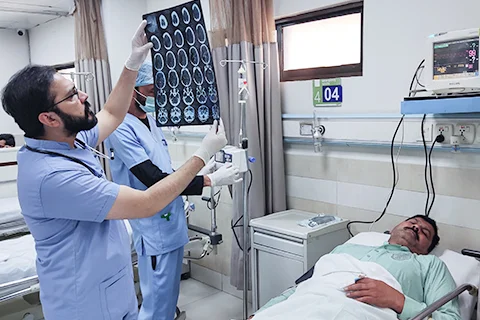
A stroke can change life in an instant. One moment, you may be living your daily routine, and the next, a stroke can leave you struggling with movement, speech, or memory. Recovery from a stroke is a journey, and one of the most important steps in that journey is finding the top neurologist for stroke recovery. But what does it mean to be a top neurologist, and how can you find the right one? This article explores everything you need to know in a simple, human way.
Understanding Stroke and Its Impact
A stroke occurs when the blood flow to a part of the brain is blocked or when a blood vessel in the brain bursts. This interruption causes brain cells to die quickly. The effects of a stroke can vary widely depending on the severity and the part of the brain affected. Common challenges after a stroke include:
- Weakness or paralysis on one side of the body
- Difficulty speaking or understanding language
- Memory loss or cognitive challenges
- Emotional changes, like depression or frustration
Recovering from these effects requires specialized care, guidance, and therapy, which is where a neurologist plays a key role.
What Is a Neurologist?
A neurologist is a doctor who specializes in the brain, spinal cord, and nervous system. Unlike general practitioners, neurologists have extensive training in diagnosing and treating neurological conditions. In the case of stroke, a neurologist can:
- Evaluate the type and severity of the stroke
- Create a personalized treatment plan
- Monitor recovery progress
- Coordinate with physical, occupational, and speech therapists
A top neurologist not only understands the medical science behind stroke recovery but also approaches patients with compassion, patience, and encouragement. Recovery can be long and challenging, and having the right neurologist can make a huge difference in your quality of life.
Qualities of a Top Neurologist for Stroke Recovery
Finding a top neurologist for stroke recovery is not just about looking at credentials. Here are some key qualities to consider:
- Experience and Expertise
A neurologist who has extensive experience with stroke patients is likely to understand the nuances of recovery better. They know what therapies work best for different types of strokes and can anticipate complications before they happen. - Patient-Centered Approach
Recovery is not just about medicine. A great neurologist listens to patients and families, explains things in simple terms, and creates a recovery plan that fits the patient’s lifestyle and needs. - Collaborative Care
Stroke recovery often involves a team of professionals, including physiotherapists, occupational therapists, speech-language pathologists, and psychologists. The top neurologist works closely with this team to ensure coordinated and effective care. - Up-to-Date Knowledge
Neurology is a field that constantly evolves. The best neurologists keep up with the latest research, treatments, and technologies in stroke care to provide patients with the most effective recovery options. - Supportive Communication
Stroke recovery can be emotionally and mentally challenging. Neurologists who encourage, motivate, and communicate openly with patients can make a significant difference in recovery outcomes.
Steps to Find the Best Neurologist
Finding the right neurologist doesn’t have to be overwhelming. Here are practical steps to help you make the best choice:
- Ask for Recommendations
Start by asking your primary care doctor for referrals. Friends, family members, or other patients who have had strokes can also share their experiences. - Research Credentials
Look for board-certified neurologists with specialized training in stroke recovery. Many top neurologists also have experience in clinical trials or stroke rehabilitation programs. - Check Reviews and Testimonials
Online reviews can provide insight into the doctor’s approach, bedside manner, and success rates. Pay attention to both positive and negative feedback. - Evaluate Accessibility
Stroke recovery often requires regular visits. Ensure the neurologist is accessible, has a supportive staff, and can coordinate therapy sessions effectively. - Schedule a Consultation
Meeting the neurologist in person is important. During the consultation, ask questions about their experience, treatment approach, and how they handle post-stroke complications.
How a Neurologist Supports Stroke Recovery
Once you choose a neurologist, they play a central role in guiding recovery. Here’s how:
- Medical Management
Neurologists prescribe medications to prevent further strokes, manage blood pressure, reduce cholesterol, and address other health conditions that affect recovery. - Therapy Coordination
Physical, occupational, and speech therapy are essential after a stroke. A neurologist monitors progress and adjusts therapy plans as needed. - Rehabilitation Guidance
Neurologists help patients regain mobility, speech, memory, and independence. They provide strategies to adapt to limitations and encourage small, achievable goals. - Emotional and Mental Support
Stroke survivors often experience frustration, depression, or anxiety. Neurologists can recommend counseling, support groups, or coping techniques. - Long-Term Monitoring
Stroke recovery can take months or even years. Neurologists track progress, prevent secondary strokes, and ensure patients maintain a healthy lifestyle.
Modern Advances in Stroke Recovery
Stroke care has advanced significantly in recent years. A top neurologist often uses innovative approaches, such as:
- Neuroplasticity-Based Therapy: Exercises that retrain the brain to compensate for lost functions.
- Telemedicine: Virtual check-ins allow continuous monitoring and guidance.
- Robotics and AI-Assisted Rehabilitation: Devices that help patients regain movement more efficiently.
- Personalized Medicine: Treatments tailored to individual genetics and stroke type.
These modern techniques can dramatically improve recovery outcomes, especially when combined with a dedicated, experienced neurologist.
Conclusion
Recovering from a stroke is a complex journey that requires patience, perseverance, and expert guidance. Choosing the top neurologist for stroke recovery is one of the most important decisions you can make. Look for experience, compassion, collaboration, and a commitment to the latest therapies. With the right neurologist, recovery is not just about survival—it’s about regaining independence, confidence, and quality of life.
Stroke recovery may be challenging, but with the right support and expert care, patients can rebuild their lives, step by step.
Frequently Asked Questions (FAQs)
1. How soon should I see a neurologist after a stroke?
Ideally, you should see a neurologist as soon as possible after a stroke, even during hospitalization. Early intervention significantly improves recovery outcomes.
2. What treatments do neurologists recommend for stroke recovery?
Neurologists may recommend medications, physical therapy, occupational therapy, speech therapy, counseling, and lifestyle changes. Advanced options like robotics-assisted therapy or neuroplasticity exercises may also be suggested.
3. Can stroke recovery continue after months or years?
Yes. The brain can adapt over time through neuroplasticity, and with consistent therapy, patients can continue to regain abilities even years after a stroke.
4. How do I know if a neurologist is experienced in stroke recovery?
Check their board certification, years of practice, hospital affiliations, and patient reviews. Neurologists involved in stroke rehabilitation programs or research often have advanced expertise.
5. Is stroke recovery the same for everyone?
No. Recovery depends on the type, severity, and location of the stroke, as well as age, health conditions, and motivation. A personalized plan from a neurologist is crucial.